We Need to Get Going on Hwy 92 Wildlife Crossings
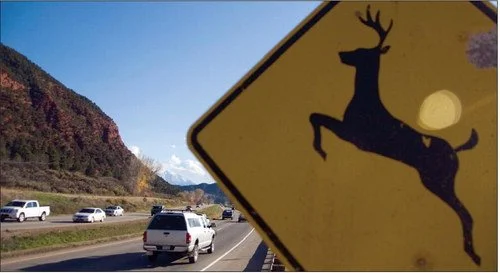
Over the last two weeks I have counted eight dead elk or deer along Highway 82 between Snowmass Canyon and the Aspen airport — it is heartbreaking. This means there are at least eight people who have been traumatized with wrecked vehicles and I hope no physical injuries.
Let’s Protect Wildlife With Safe Crossings
In his guest commentary in support of wildlife crossings, specifically the local nonprofit Roaring Fork Safe Passages, Tom Cardamone noted “nature still has half here, and we residents bear some ethical responsibility to keep it that way.”
I passionately agree, this time, from the heart. Wildlife crossings began in France in the 1950s. They then took off in the Netherlands, which built more than 600 crossings. The Dutch built the world’s longest animal crossing, more than half a mile long. In the United States, the idea has taken longer to catch on. Wildlife crossings began here less than 20 years ago. But we have a chance to catch up.

Wildlife Crossings Make Economic and Ethical Sense
Wildlife crossings over and under highways save lives, are cost effective and enhance the vitality and ecological functioning of the large landscapes they connect. These crossings require community engagement and creative strategies to get them done.
Aspen Highway Data Shows Wildlife Cause Majority of Incidents
On a six-mile stretch of Highway 82 extending from the Sinclair gas station and the Aspen/Pitkin County Airport toward town, there were a total of 410 traffic accidents reported to the police between 2013 and 2024.
More than half of those incidents — 224 to be exact — were wildlife-vehicle collisions, according to data from the Colorado Department of Transportation.
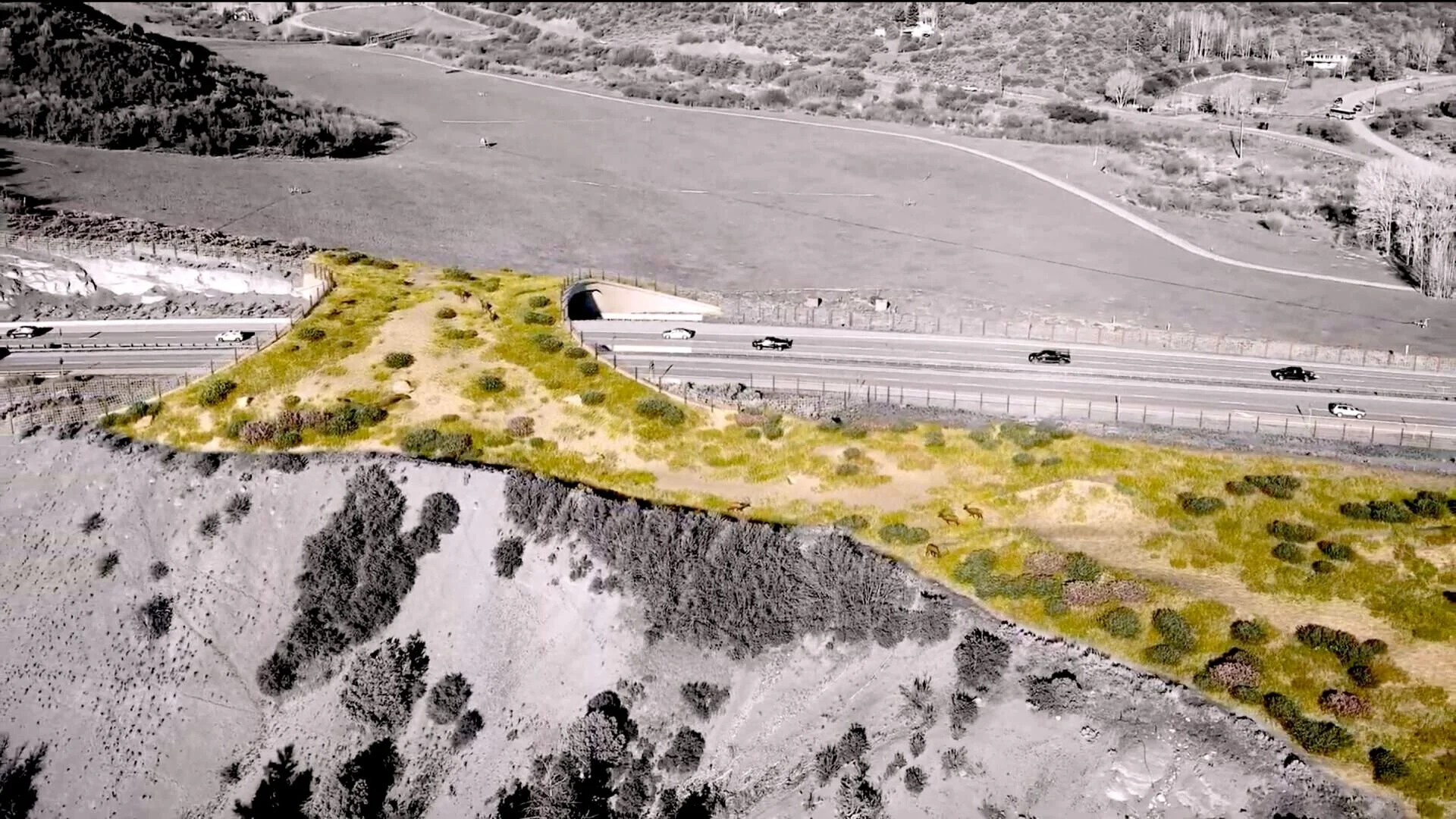
The RFV’s Wildlife-Vehicle Collision Problem Deemed Solvable
Standing in a grassy field across from the Brush Creek Park and Ride, Cecily DeAngelo motioned toward the nearby shale bluffs rising above Highway 82.
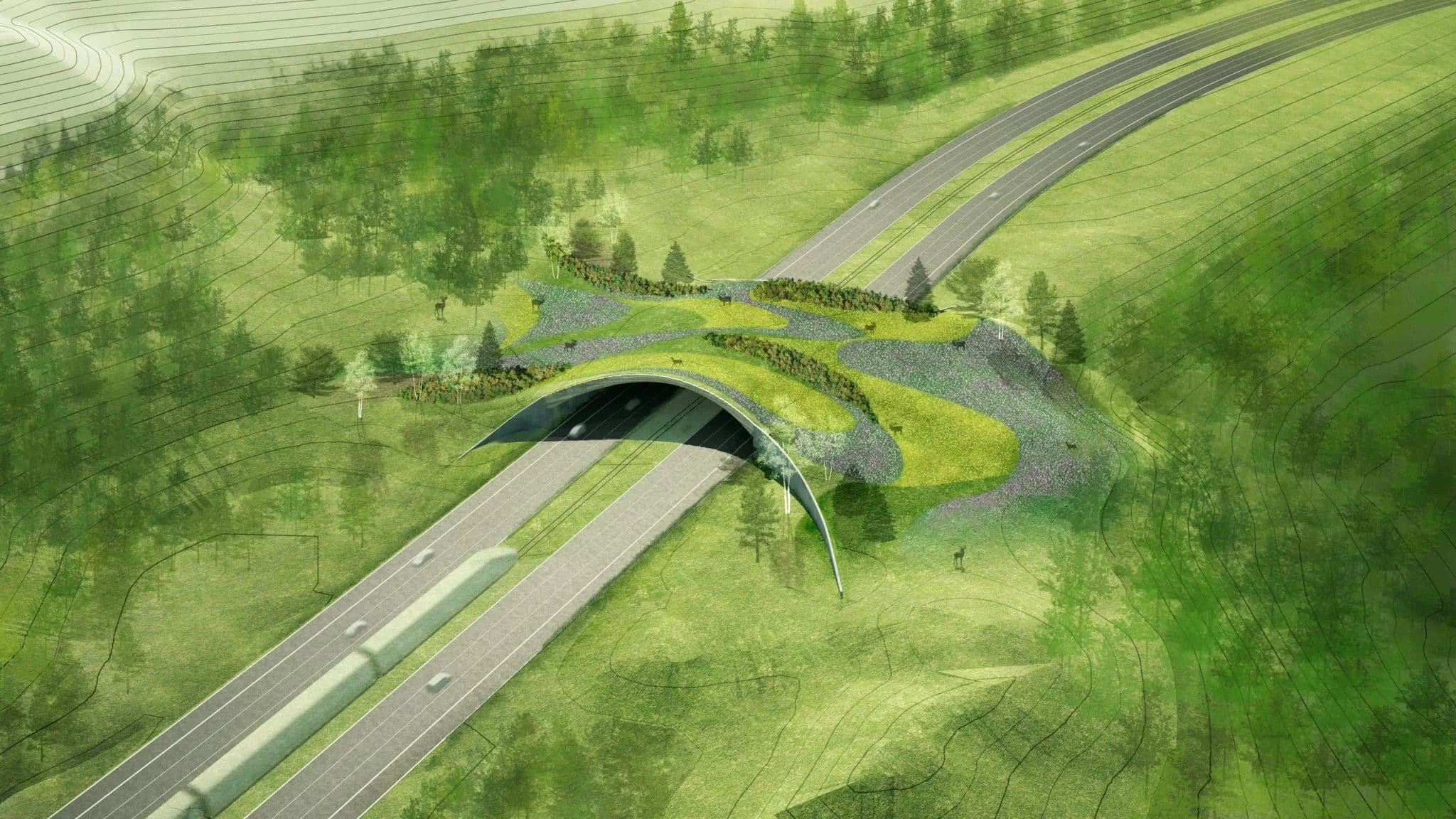
Over the sound of speeding cars and the occasional plane overhead, she explained where a wildlife bridge could be built to guide animals up and over the busy road.
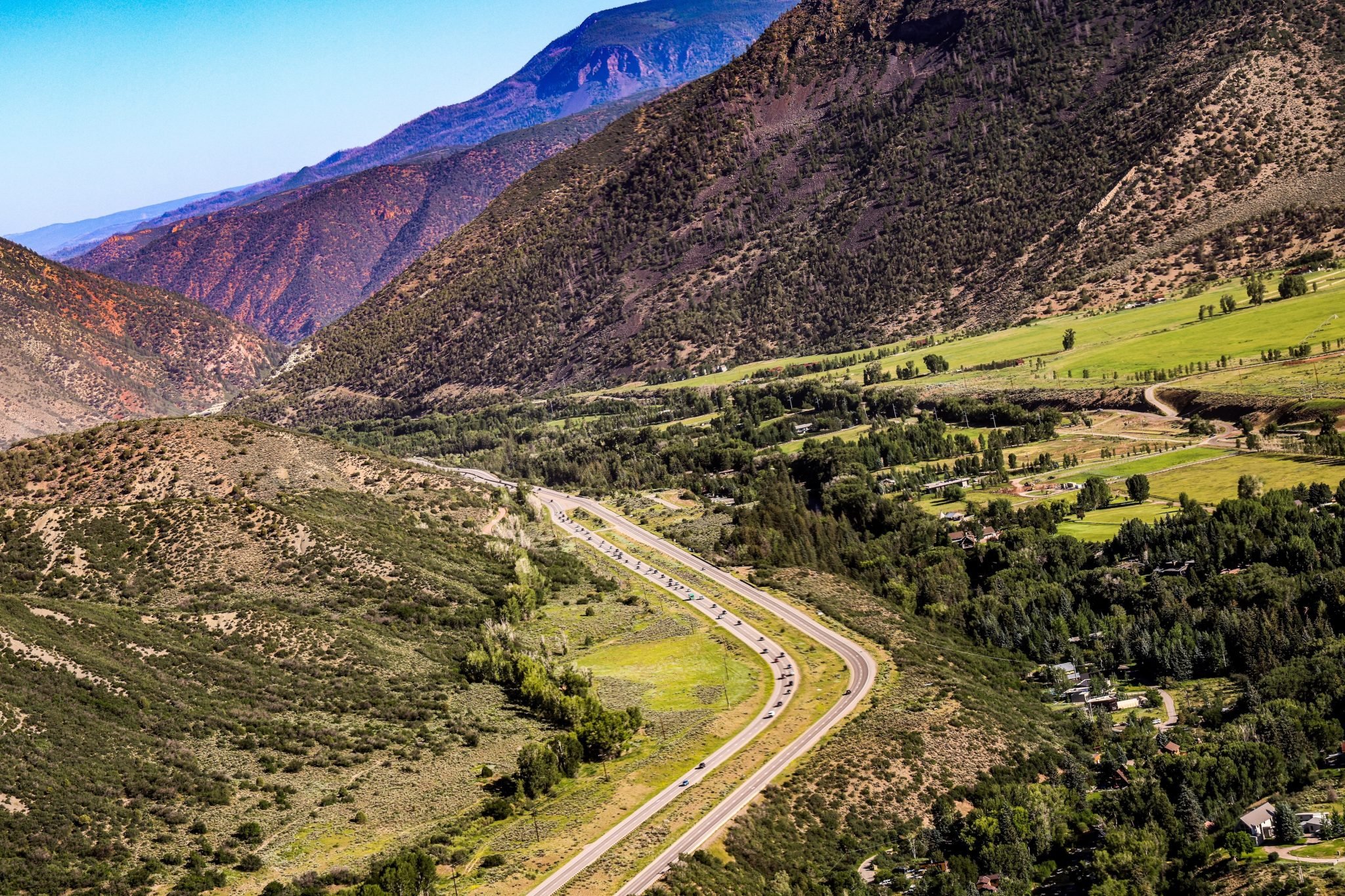
Aspen Wildlife Crossing Proposal Addresses Critical Valley Problem
Highway 82 has created a divide in the Roaring Fork Valley.
The presence of the four-lane highway between critical pieces of habitat for multiple species not only presents a threat to ungulate populations such as deer, elk, moose, and other animals, but also a threat to public safety, as well.
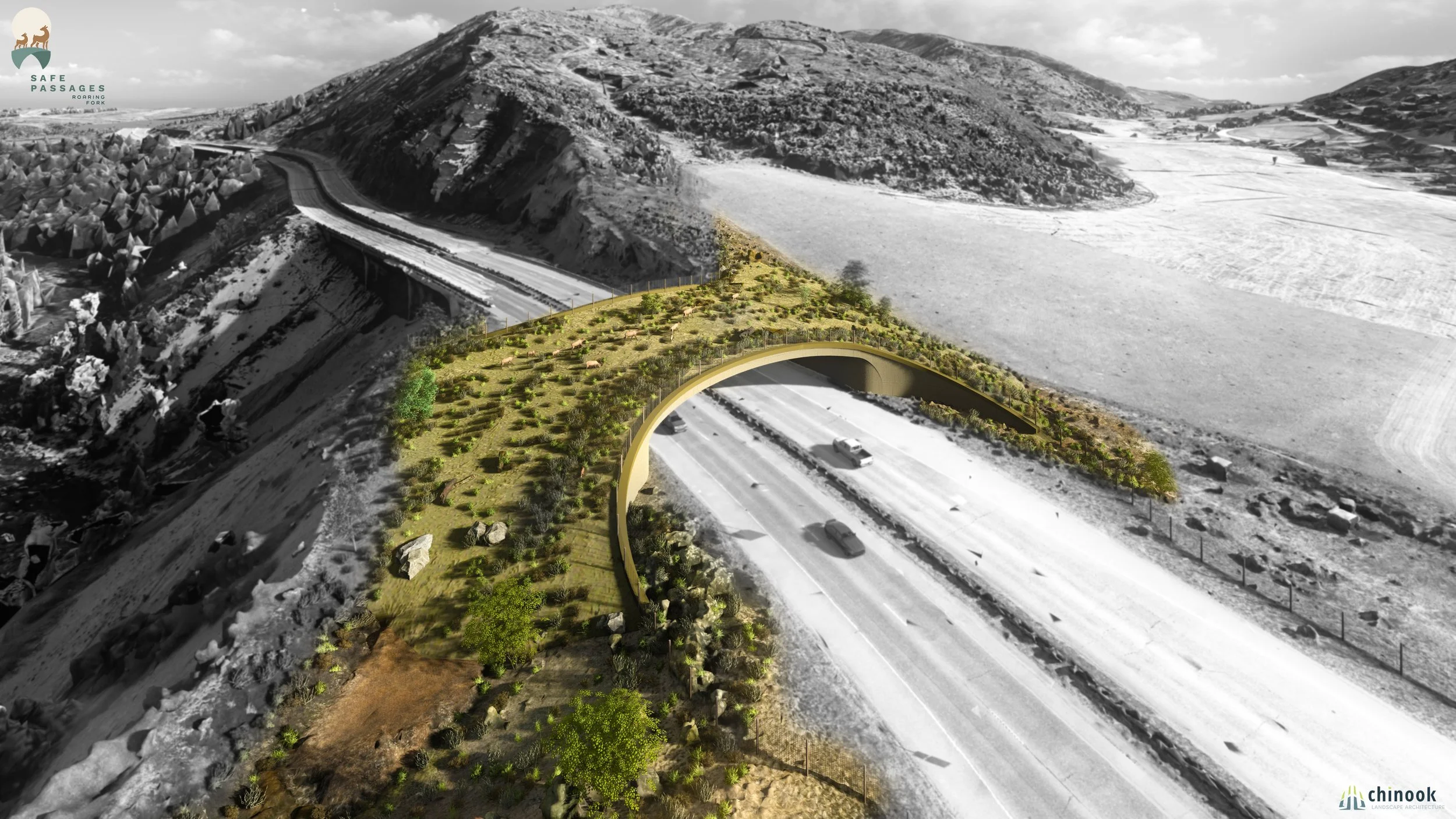
Safe Passages Recommends Projects Near Airport
With high-dollar priorities identified in its mission to reduce vehicle-wildlife collisions, the organization Roaring Fork Safe Passages is looking for public feedback on underpass and overpass plans.
The coalition’s latest report, “State Highway 82 Wildlife Mitigation Strategy: Airport to Aspen Village,” drills into mitigation strategies in the high-priority stretch of Highway 82, identified in earlier studies as the best stretch of regional highways to invest in terrain mapping and infrastructure feasibility. It runs from milepost 32.5 to 37.3.
Roaring Fork Safe Passages Releases Mitigation Plans for Wildlife Crossings
To address the persistent and dangerous issue of wildlife-vehicle collisions along State Highway 82, a new mitigation strategy released in June outlines a plan to build a series of wildlife crossings between Aspen Village and the Aspen/Pitkin County Airport.
The effort is being led by Roaring Fork Safe Passages, in coordination with Colorado Parks and Wildlife, Pitkin County, and the Colorado Department of Transportation.
Brush Creek Corridor Considered ‘High Conflict Zone’ for Wildlife
The Brush Creek corridor accounts for more than half of all reported wildlife collisions in the upper Roaring Fork Valley.
Between 2014 and 2023, the six-mile stretch saw 337 wildlife-related crashes, including 116 elk, 195 mule deer, and 14 black bears.
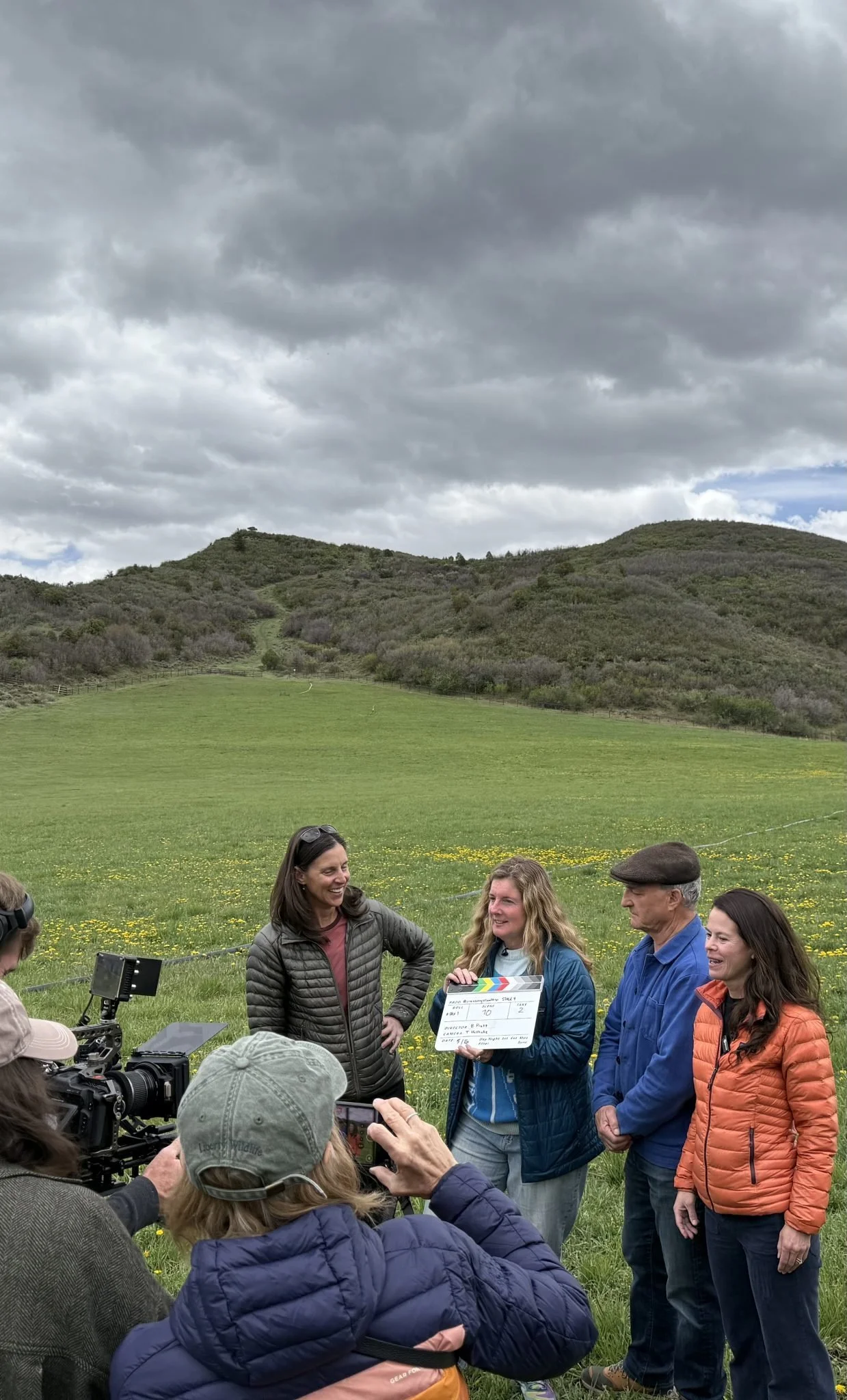
Because of this, the Wildlife Crossings Across America road trip made a purposeful stop in Aspen on Friday, May 16, to spotlight one of Colorado’s most hazardous corridors for wildlife-vehicle conflicts.
Why Highway 82 Needs Wildlife Crossings: Ten Inches Between Life and Death
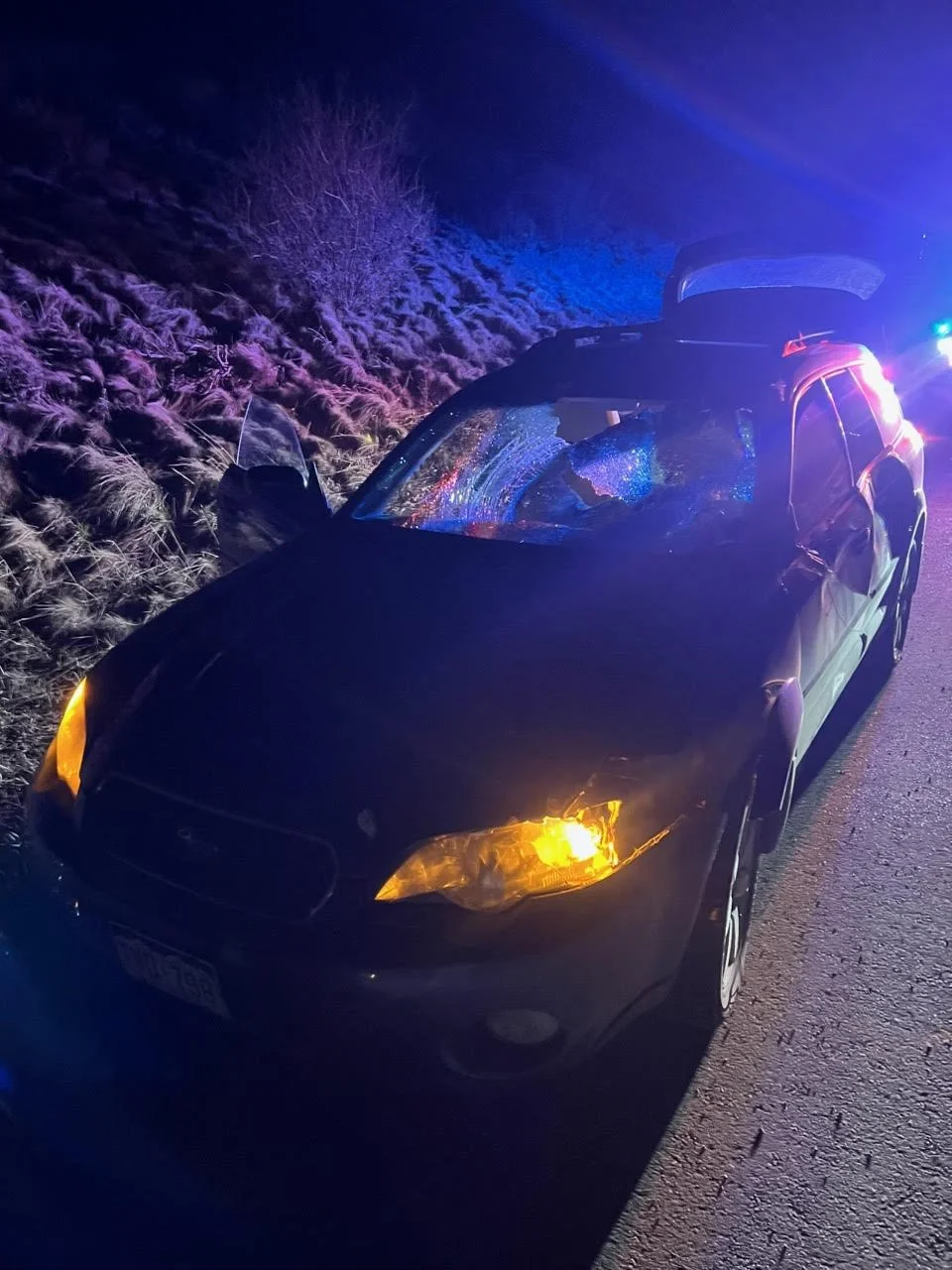
None of these practices however were enough to prevent what is probably the closest call I have ever had to meeting my maker on the evening of April 11th. I was nearing the airport and just coming out of the shale bluffs section, and certainly not speeding. (The Subaru does not go very fast). I was in the left lane, about 5 feet from the cement dividers. My Subaru is not very tall compared to many cars, and my headlights were below the height of the cement dividers essentially meaning I could not see over the top of them, nor what might be in the down valley lanes heading my way.
Roaring Fork Safe Passages Hosts a Weekend of Inspiration, Education on Wildlife Crossings
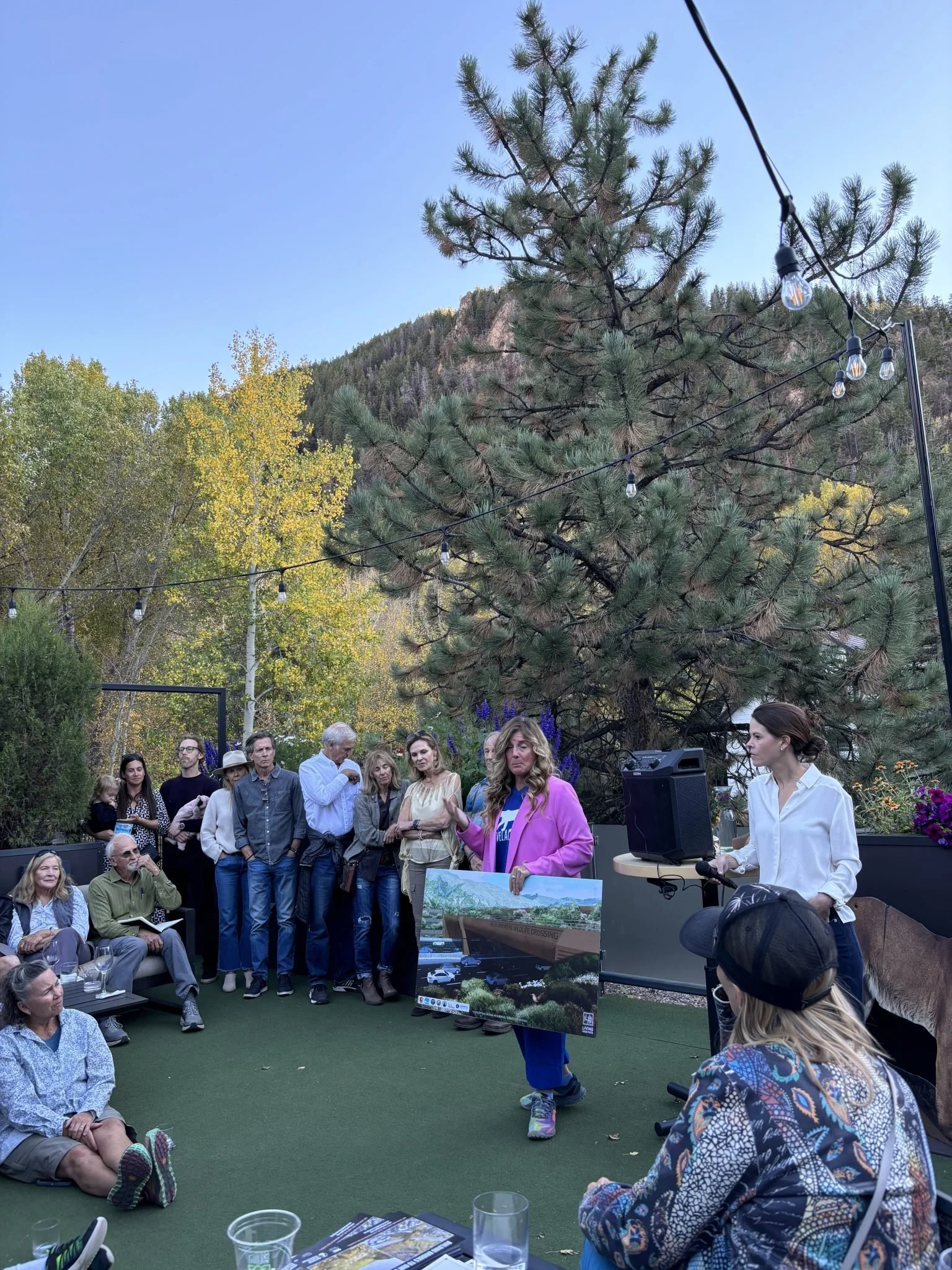
Roaring Fork Safe Passages hosted its Wildlife Connectivity Events over the weekend.
The group, which is helping to reduce vehicle wildlife collisions in the Roaring Fork Valley, organized two events in Aspen, which featured prominent experts aiming to inspire local efforts to protect habitats within the Roaring Fork Valley.
“This was a weekend of inspiration and education,” said Roaring Fork Safe Passages Director Cecily DeAngelo. “We are hopeful this will show the public our path forward for mitigating wildlife-vehicle collisions.”
Nonprofit Gears Up for Drone Studies on Hwy 82
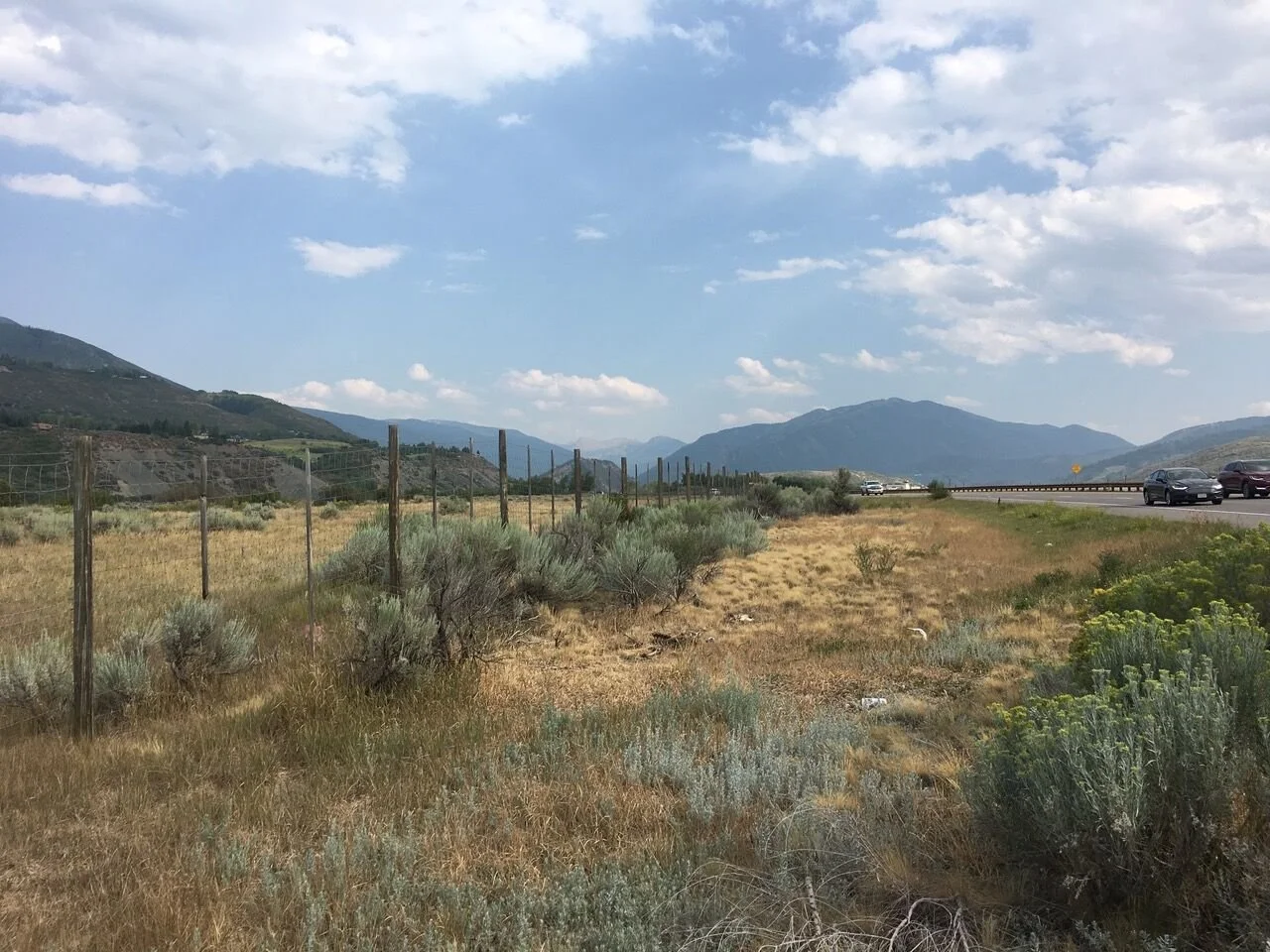
A local nonprofit is gearing up to use drones and other technology to map a stretch of Highway 82 to best understand wildlife crossing options.
Roaring Fork Safe Passages (RFSP) is in the second stage of its work to plan infrastructure to reduce vehicle-wildlife collisions in the Roaring Fork Valley. An initial prioritization study identified a stretch of Highway 82 from the Aspen-Pitkin County Airport to the Woody Creek area as the best place to invest in terrain mapping and infrastructure feasibility. It runs from milepost 32.5 to 37.3.
Momentum Builds for Wildlife Crossings in Roaring Fork Valley
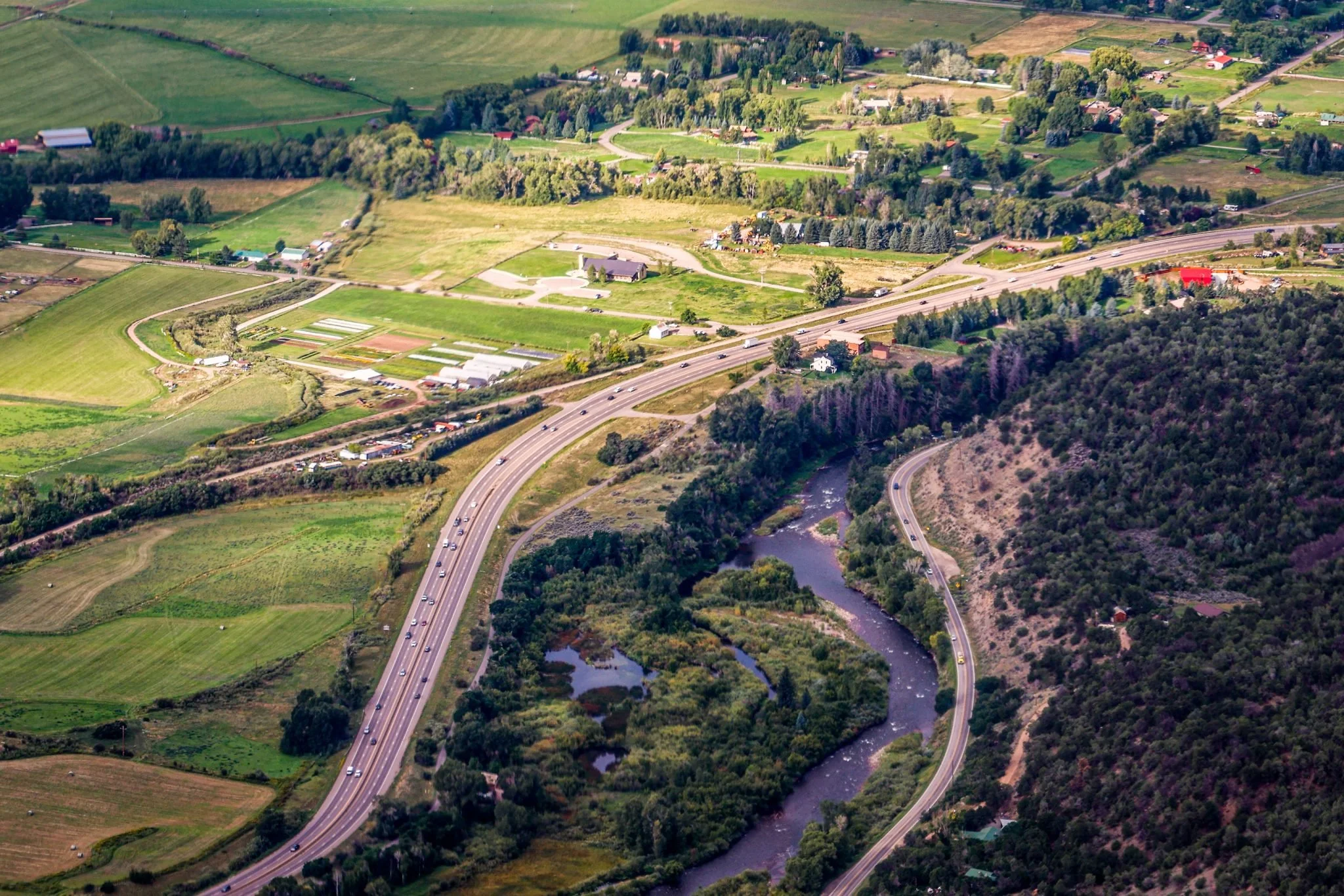
From a bird’s eye view, it’s easy to see how the landscape is divided between built and natural environments.
It was from this vantage point on an early morning flight over the Roaring Fork Valley that Julia Kintsch showed a group of elected officials and journalists the places where Roaring Fork Safe Passages hopes to bridge connections for the valley’s wildlife to move safely through the area.
“This whole valley was once winter range for animals,” she said. “Now, people also live here in towns and fields, and all the things we do here … you have all these things that are drawing animals into this area, and you have the highway here. So that’s why we see the conflict.”
To Protect Local Wildlife, Take Action Immediately
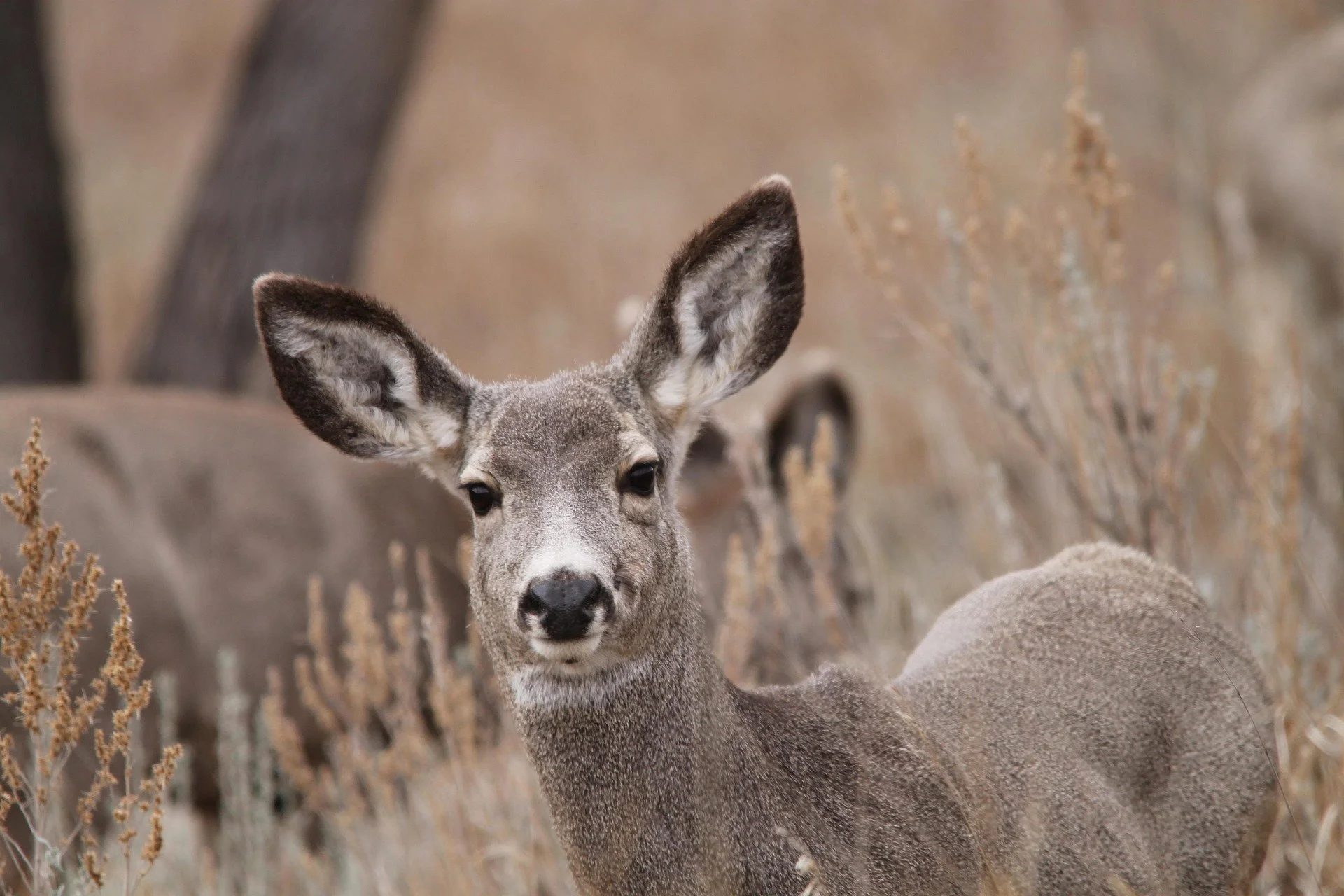
As responsible stewards of the environment, we must advocate for policies that promote coexistence and protect our natural heritage. I urge our community leaders to prioritize implementing wildlife-friendly infrastructure and ensure that safe passage for wildlife remains a top priority in our planning and development decisions.
Study Identifies Six Stretches of Highway Where Wildlife Need Help
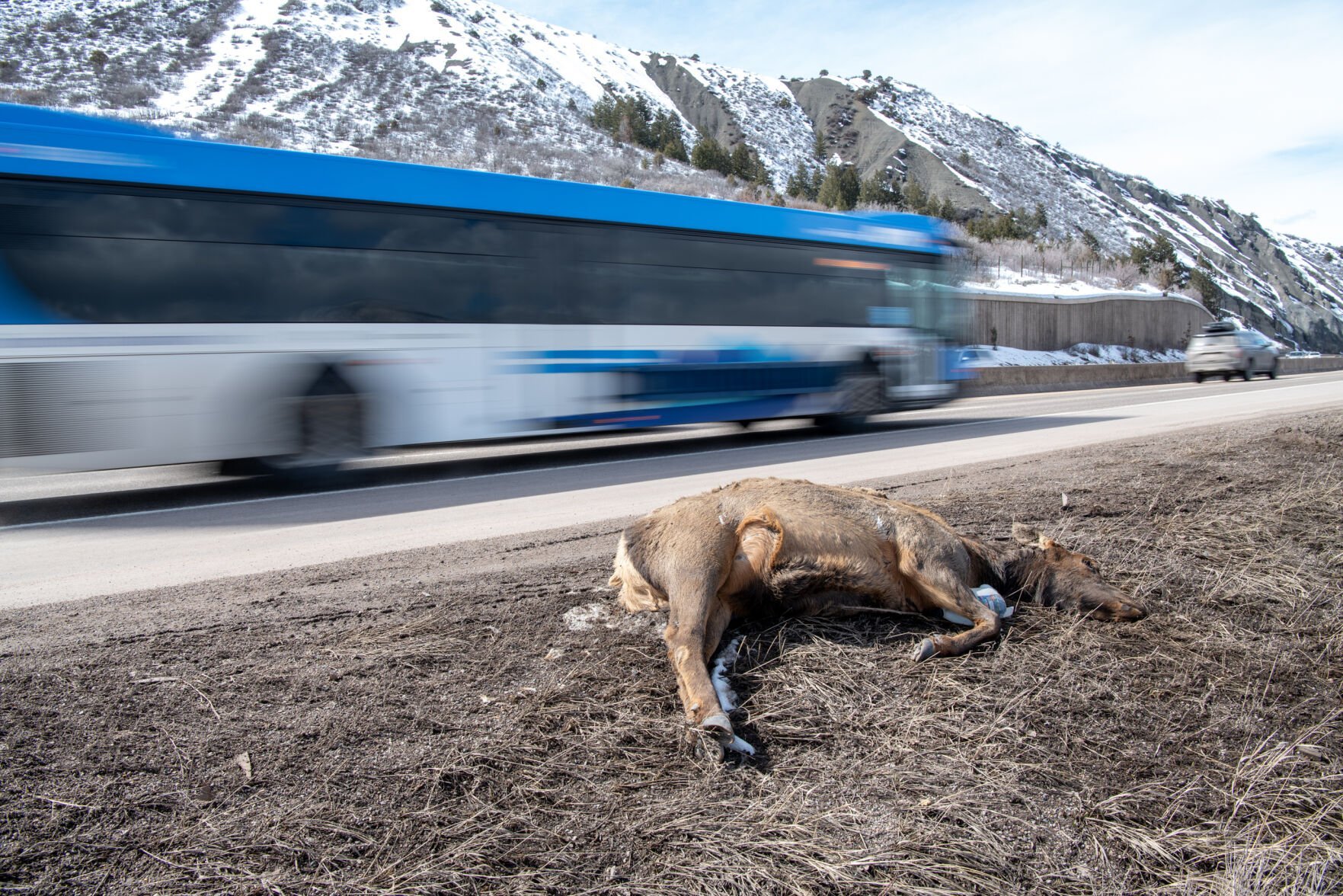
An organization working to reduce wildlife-vehicle collisions on Aspen-area highways has identified six stretches of road where mitigation is most needed.
Roaring Fork Safe Passages identified five corridors on Highway 82 and one on Highway 133 where it believes projects are needed to reduce collisions and aid in wildlife migration.
Group Works to Reduce Collisions With Wildlife
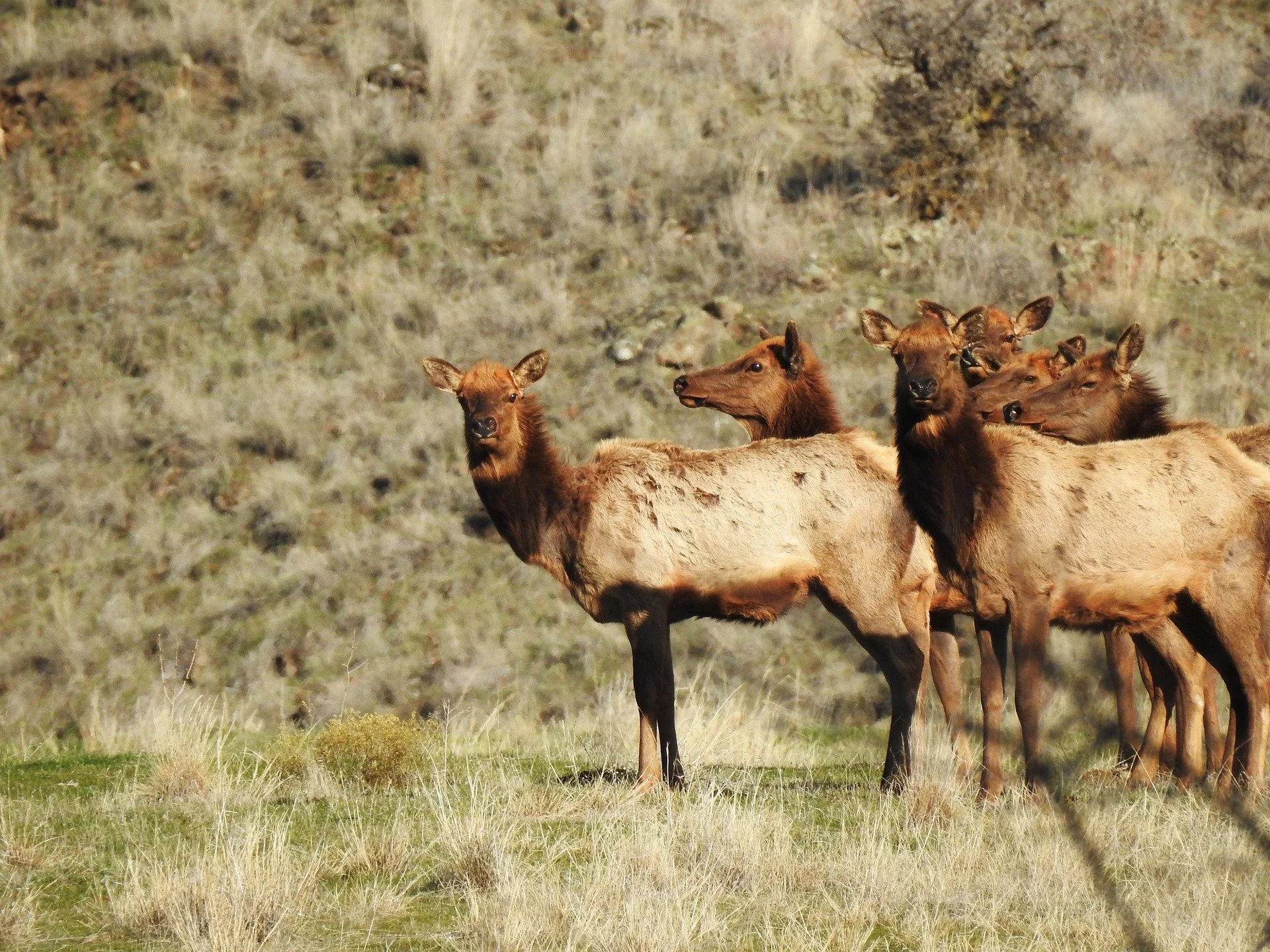
As fall slides toward winter and deer and elk wander down from the high country, a new organization is racing to complete studies that it hopes will eventually lead to action to reduce vehicle collisions with wildlife and preserve important habitat connections in the Roaring Fork and Crystal valleys.
Safe Crossings a Worthy Cause
Hats off to Cecily DeAngelo for spearheading the effort to create protected ways for wildlife to cross Highway 82 (Roaring Fork Safe Passages). While there’s plenty of will in this community, it will take grit, energy, time and determination to thread the separate federal, state and local entities together to see this endeavor through.
Roaring Fork Safe Passages Aims to Protect Wildlife and Connect High Quality Habitats
Cecily DeAngelo was driving on Highway 82 when she happened to be behind a car that hit a stag.
“It was really distressing and hard to watch,” she said. “It hit me hard.”
This incident, combined with her passion for wildlife and the realization that vehicle-wildlife collisions are solvable problems, led her to create Roaring Fork Safe Passages, a non-profit dedicated to reducing these along Highway 82.
Effort Underway to Create Safe Passages for Wildlife Across Highway 82
A new citizens’ advocacy organization that aims to reduce wildlife and vehicle collisions in the Roaring Fork Valley has started fundraising to get the effort rolling.