
Let’s protect our wildlife
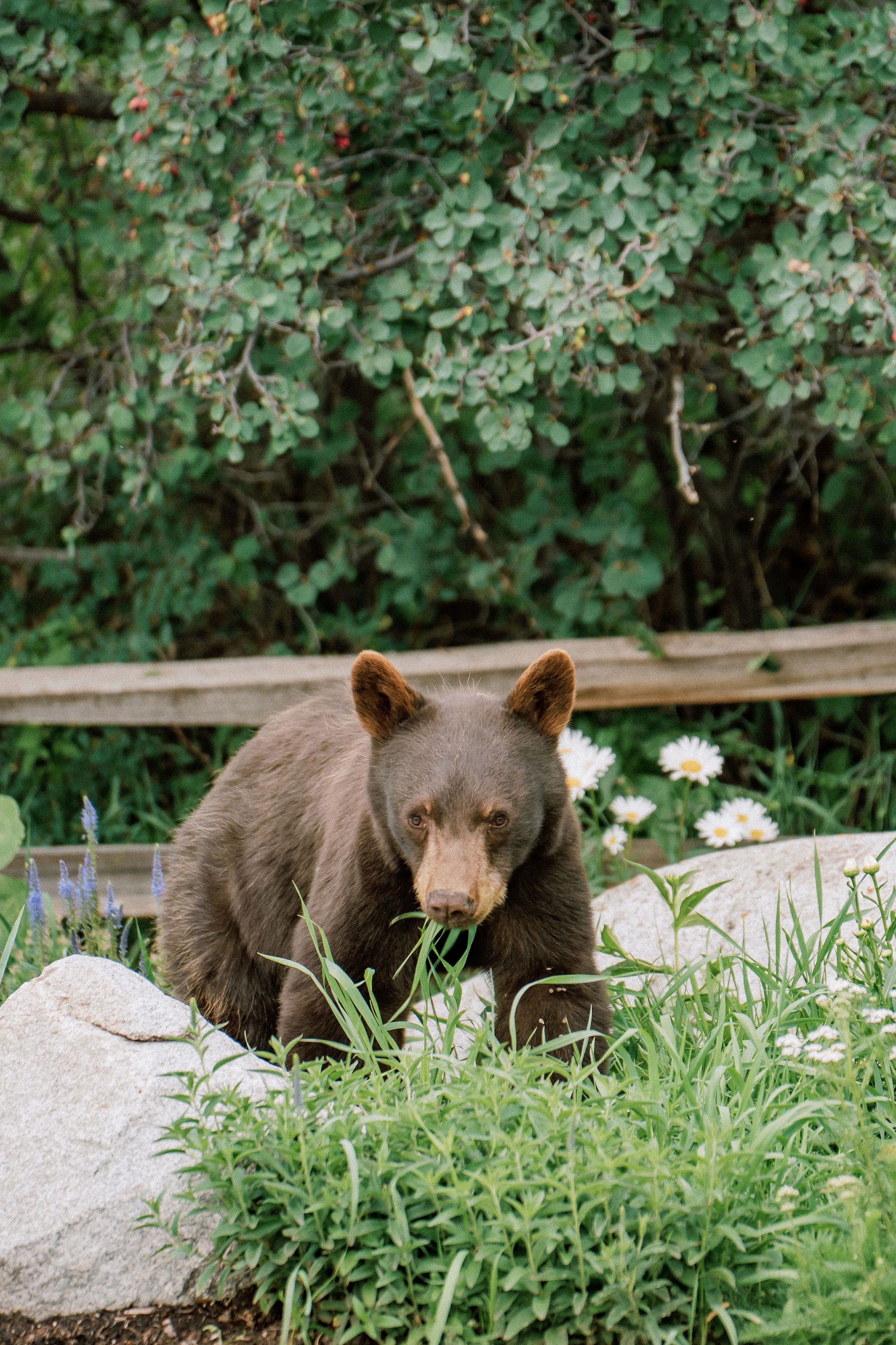
Let’s demand action: Approve wildlife crossings over 82, create natural food sources, enact stronger prevention measures and demand serious commitment from our local and state leaders to protect the wildlife that makes the Roaring Fork Valley special. Let’s not forget, this is their home too.
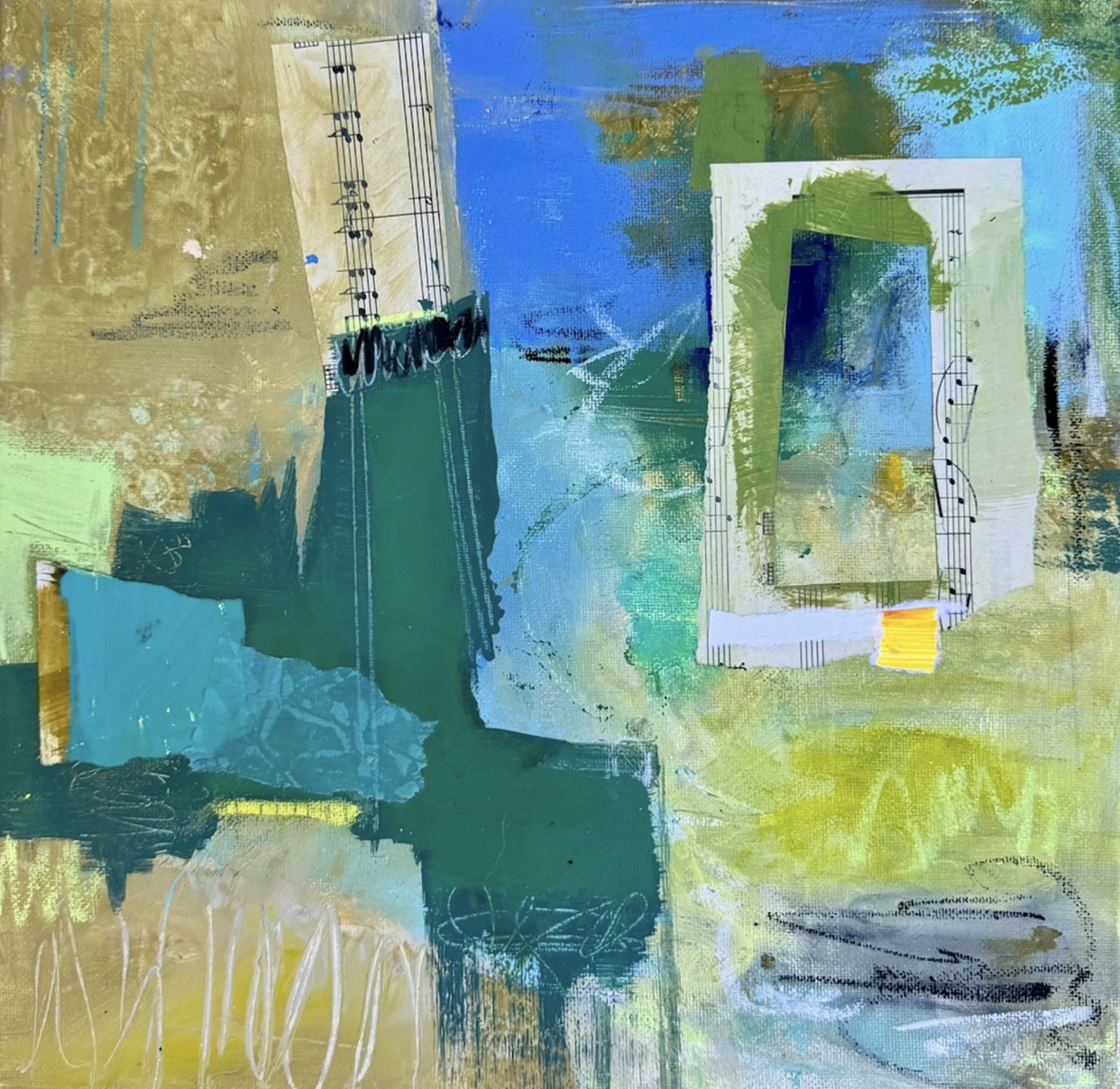
Safe passages on the road and canvas
The resulting exhibition features work by Poschman along with Cam Burns, Katalin Domoszlay, Dave Durrance, Erin Ely, Julie Grimm, Cary Guy, Nancy Kullgren, Willow Poschman, Tamara Susa, Pam Weber and Ellen Woods.
An opening reception will be held from 4 to 7 p.m. Wednesday. “Safe Passages” is the gallery’s 269th consecutive exhibition since it opened 41 years ago.
In each of its art shows, Aspen Chapel partners with a local nonprofit and gives a portion of the proceeds from the sale of the art to them. Poschman chose the group Roaring Fork Safe Passages as the partner for this exhibition.
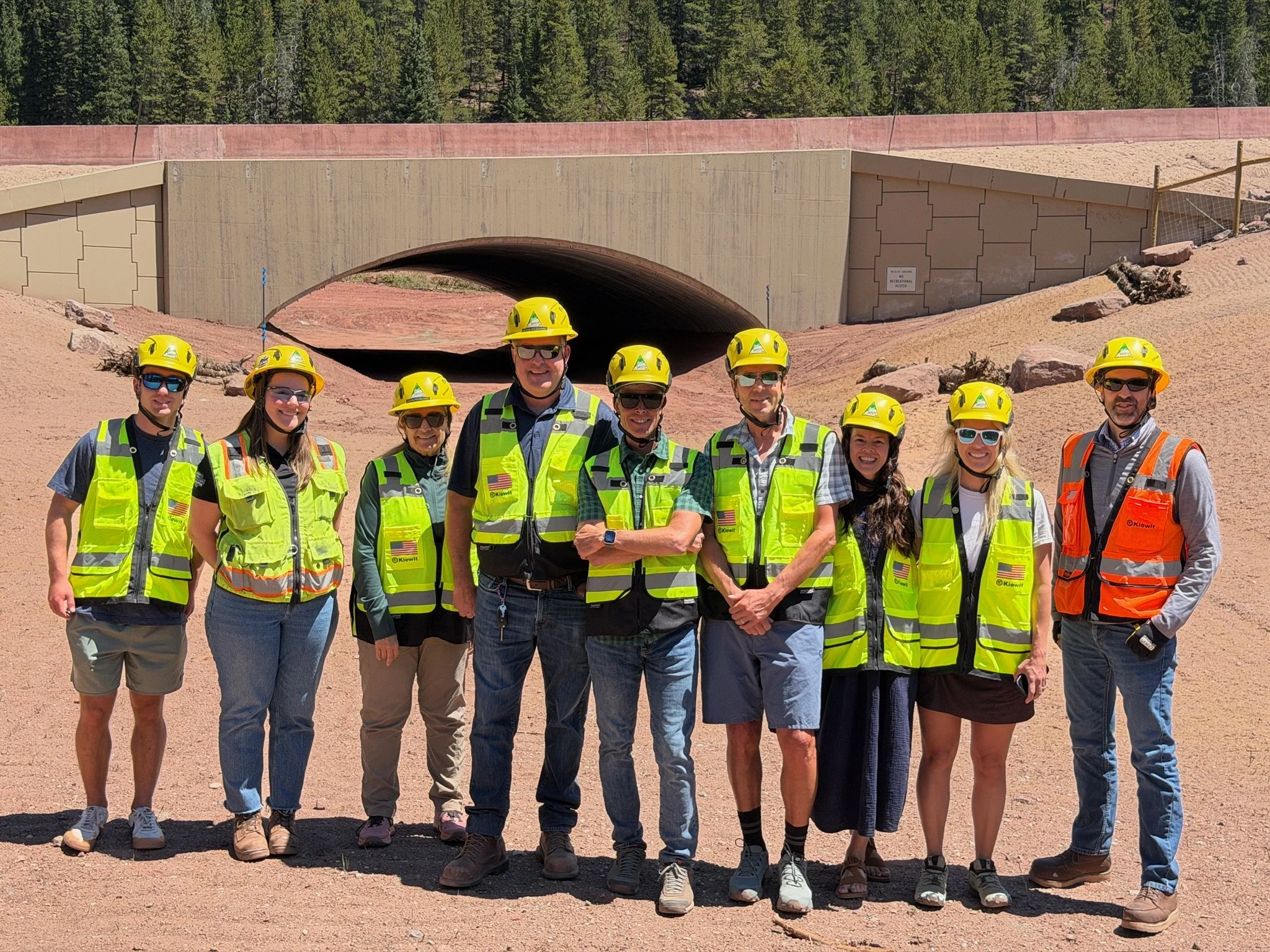
Press Release: Roaring Fork Safe Passages Tours Vail Pass Wildlife Underpass
Roaring Fork Safe Passages joined Kiewit Construction for an on-site tour of a wildlife underpass that is in the final stages of construction on Vail Pass, with the goal of helping wildlife safely cross under the highway.
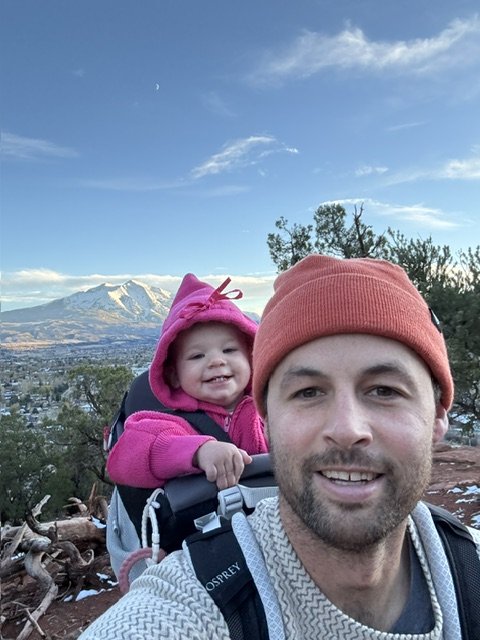
Meet the A-Team: Patrick King
Our RFSP Advocacy Team, aka the A-Team, is made up of passionate valley residents who amplify this work through their networks, stories, and voices. They show up in whatever way fits them best, from reaching elected officials to sharing personal wildlife encounters to spreading the word. This season, we're spotlighting Patrick King, Senior Director of Partnerships at Protect Our Winters, a valley resident since 2016, and one of the original RFSP volunteers. PK, as commonly nicknamed, was drawn to RFSP after witnessing firsthand how development, recreation, and traffic pressure the wildlife that make this valley what it is and his desire to help make life a little easier for them. We sat down with PK to hear more.
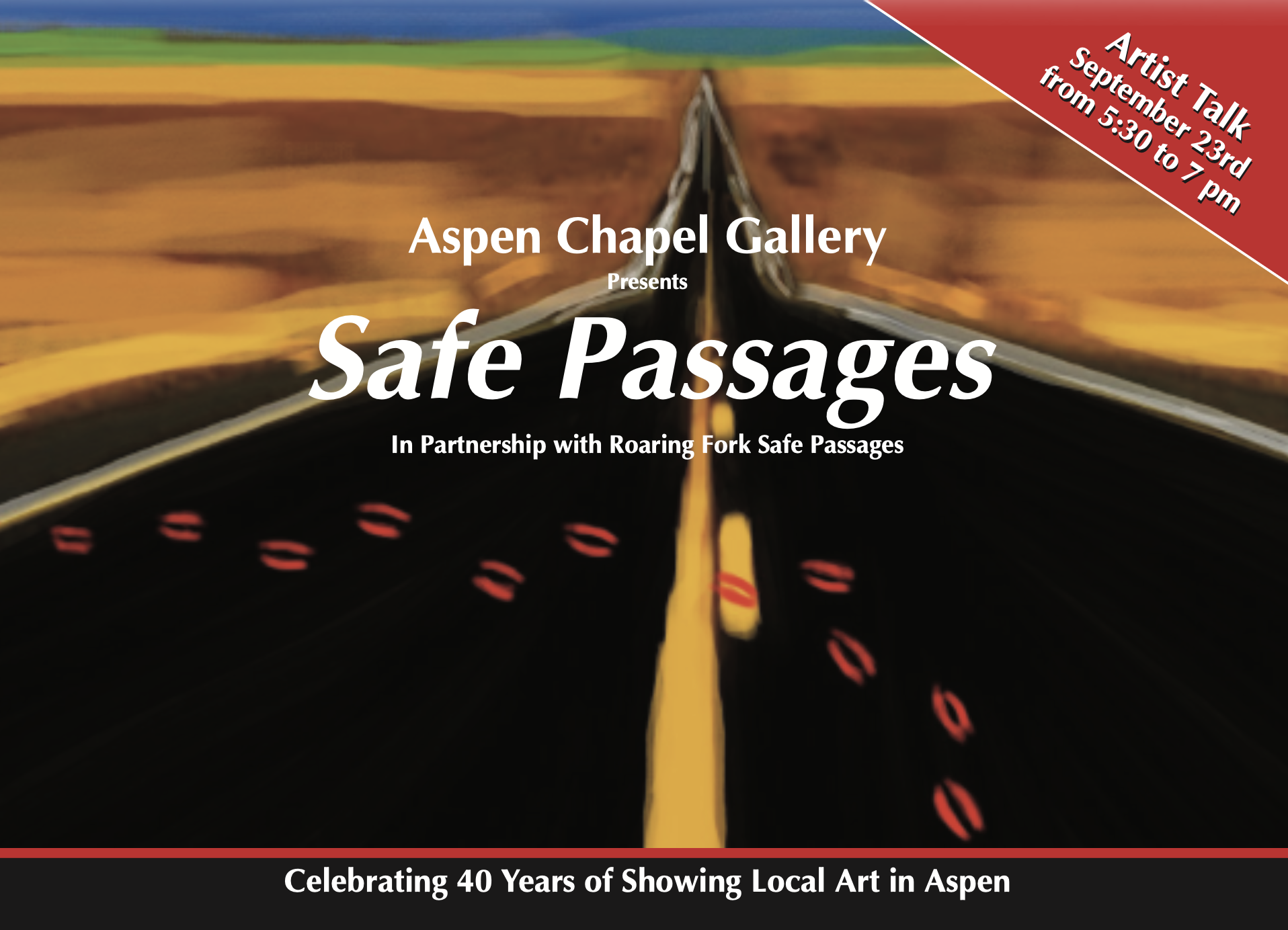
Save the Date: Safe Passages Art Exhibition at Aspen Chapel Gallery August 26-October 2
Mark your calendars! We're excited to partner with Aspen Chapel Gallery for Safe Passages, a mission-aligned art exhibition that weaves together wildlife conservation with broader themes of safe passage and invites local artists to explore what safety and crossings mean in their own work. The show marks the gallery's 40th year of showcasing local art in Aspen.
📅 Opening Reception: Wednesday, August 26, 4–7 PM
📅 Exhibition Runs: Through October 2, 2026
📍 Aspen Chapel Gallery, at the roundabout — open daily, 10 AM–5 PM
Featuring work by Cameron Burns, Dave Durrance, Katalin Domoszlay, Erin Ely, Julie Grimm, Cary Guy, Nancy Kullgren, Willow Poschman, Greg Poschman, Tamara Susa, Pam Weber, and Ellen Woods.
Bonus — Artist Talk: Join us September 23 for an artist talk moderated by Andrew Travers, and party!
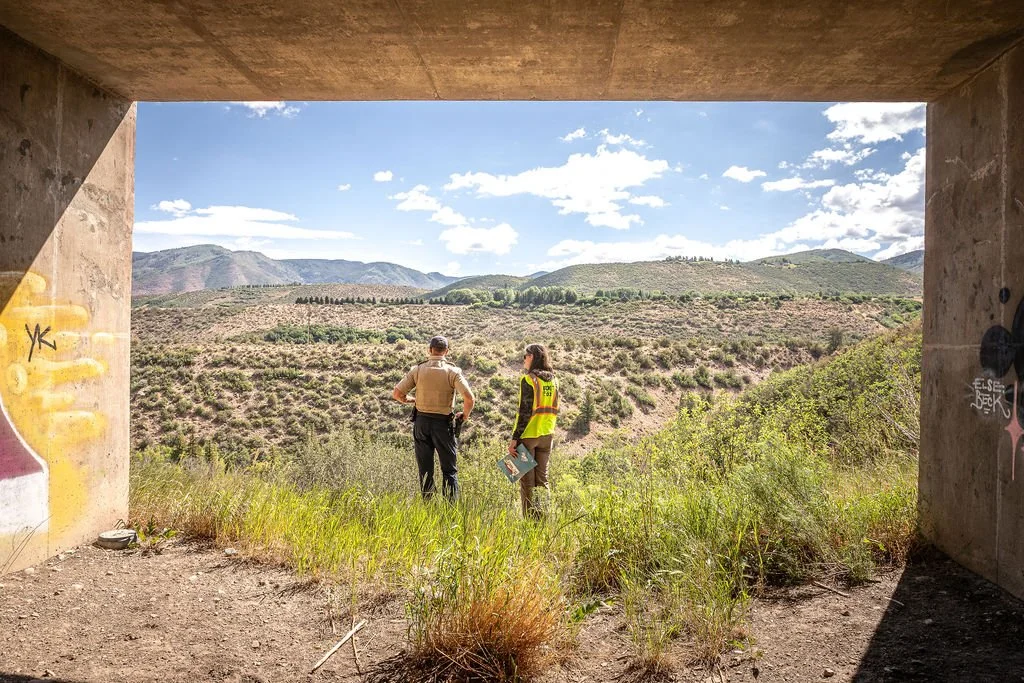
Working Towards Near-Term Fixes — Wildlife Fencing Repairs & Installation at Cattle Creek, Catherine's Store and Aspen Airport—A Photo Essay
Recently, our ecologist Julia Kintsch, alongside local Colorado Parks & Wildlife officers, brought together their expertise for a walk along Highway 82 at three key sections — Cattle Creek, Catherine's Store and Aspen Airport — to assess existing fencing, identify weak points, and scope near-term fixes to reduce wildlife-vehicle collisions.
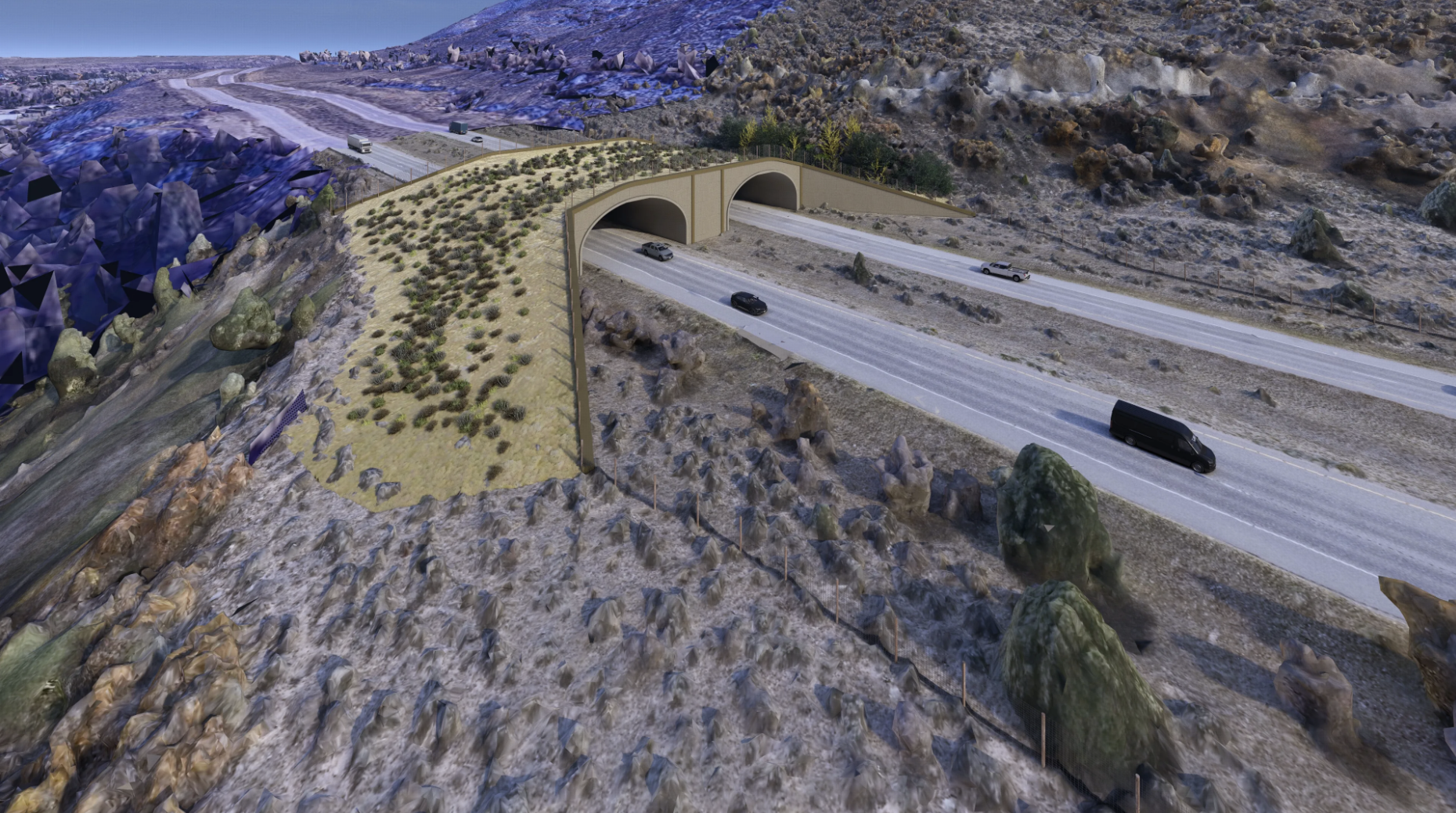
Safe Passages for Wildlife (and Cars)
Wildlife face a wide, dangerous obstacle on their path to their main water source, the Roaring Fork River. Highway 82 is nearly always filled with vehicles moving at high speed, and the consequences are high for deer, elk, mountain lions, foxes, and other animal residents of the valley as they forage, hunt, and otherwise move about their daily business.
It’s this challenge that local nonprofit Roaring Fork Safe Passages is trying to mitigate. The group seeks to build wildlife overpasses and underpasses—as well as improve fencing and sightlines—along stretches of Highways 82 and 133 that have been identified as important crossing points to reduce wildlife-vehicle collisions and reconnect fragmented habitats
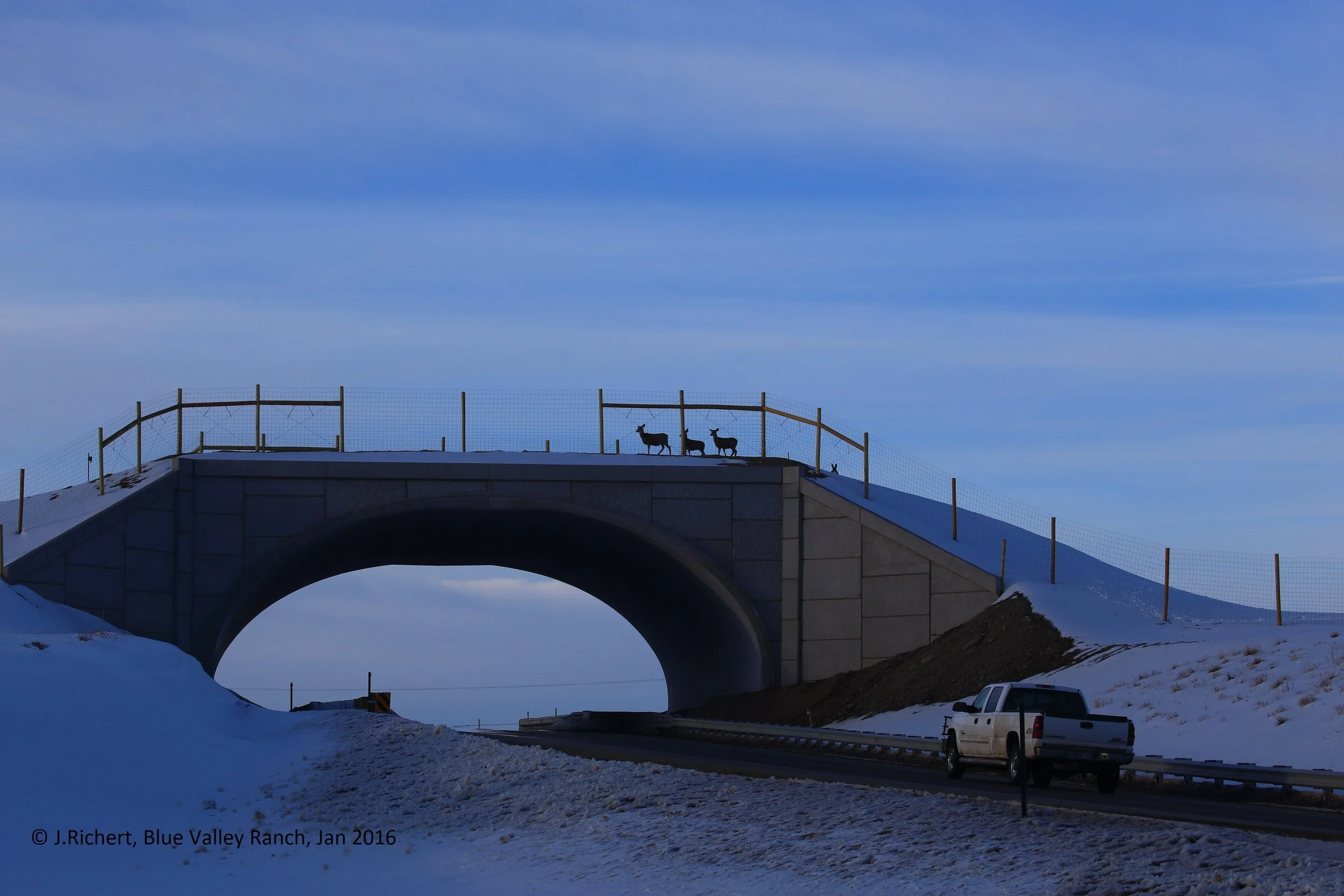
Press Release: Wildlife Collision Prevention Act Becomes Law
Coloradans today celebrated the Wildlife Collision Prevention Act (SB26-141) being signed into law. The law is expected to reduce wildlife-vehicle collisions across the state. Introduced by Senator Dylan Roberts (D, SD-8), Senate Minority Leader Cleave Simpson (R, SD-6), Speaker Julie McCluskie (D, HD-13), and Representative Rick Taggart (R, HD-55), the legislation passed out of both chambers with bipartisan support and was signed by Governor Jared Polis.
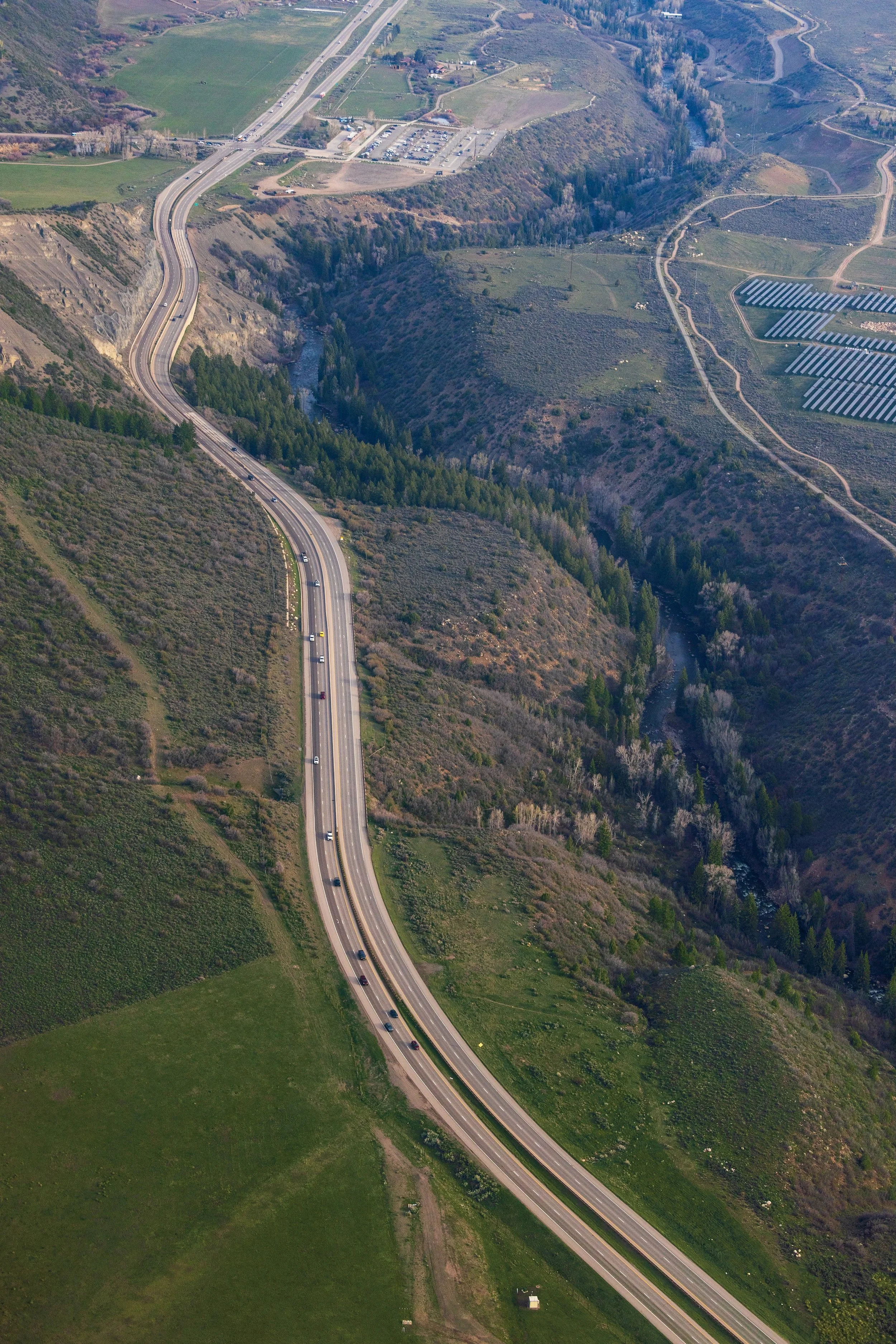
Roaring Fork Safe Passages is addressing the Western Slope’s wildlife-vehicle collision problem
Over 7,000 animals were killed in wildlife-vehicle collisions on Colorado roads last year. Most of those happened on the Western Slope.
One local nonprofit — Roaring Fork Safe Passages — is trying to make Highway 82 safer by gathering funding to build five crossings from Carbondale to Aspen.
Cecily DeAngelo is the Executive Director at Roaring Fork Safe Passages, and spoke with Aspen Public Radio’s Regan Mertz about what inspired the wildlife collision mitigation work being done in our valley.
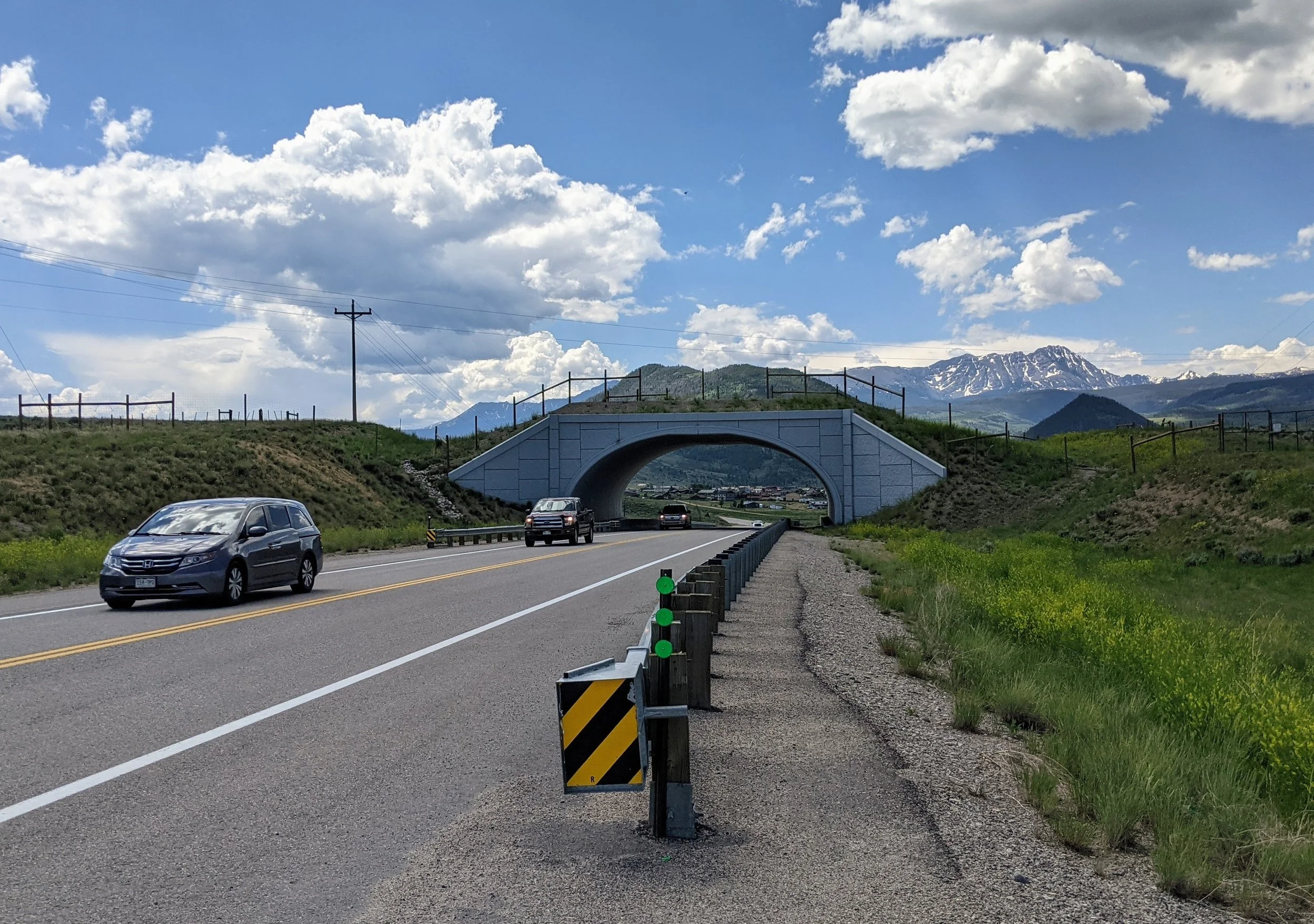
Press Release: Coloradans Applaud House Passage of Wildlife Collision Prevention Act
The Colorado State House today passed the Wildlife Collision Prevention Act (SB26-141), a crucial measure to reduce wildlife-vehicle collisions across the state. Introduced by Speaker Julie McCluskie (D, HD-13), Representative Rick Taggart (R, HD-55), Senator Dylan Roberts (D, SD-8), Senate Minority Leader Cleave Simpson (R, SD-6), the legislation passed with bipartisan support and now heads to Governor Polis for his signature. The legislation passed the Senate on April 13, 2026.
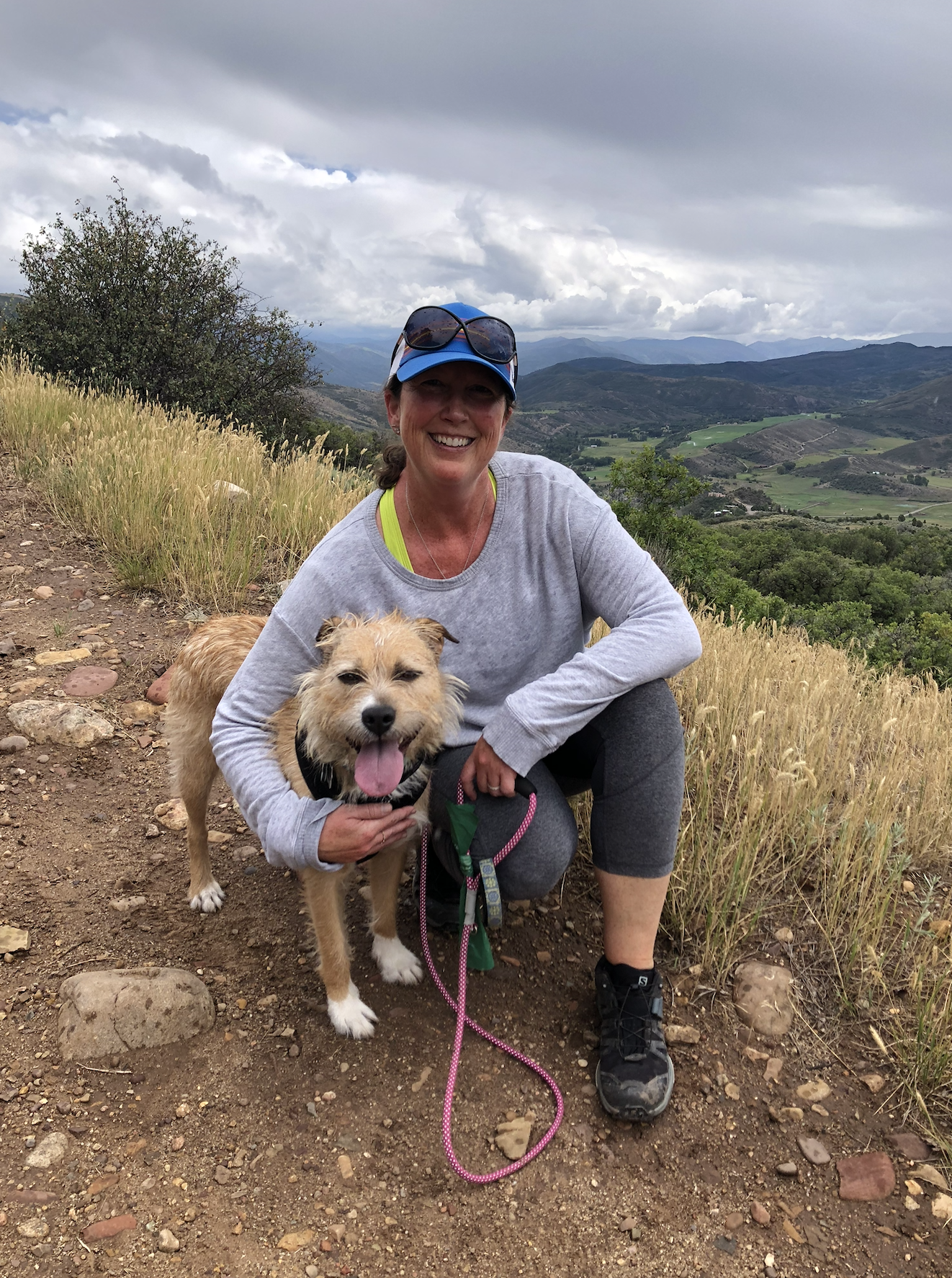
Meet the A-Team: Virginia Leffler
Unseen wildlife need loud advocates. That's the rallying cry behind the RFSP Advocacy Team (aka the A-Team), a group of valley residents who show up for this work in their own words, through their own networks, and with their own differing skillsets. Because safe passages for wildlife don't happen without a community behind them — they happen because of it. Virginia Leffler is one of those people. An administrative assistant at Aspen Elementary School and six-year valley resident, Virginia was writing letters to the BOCC and CDOT about wildlife crossings before RFSP even existed. We sat down with her to find out what drives her — and what gives her hope.
Colorado gets closer to funding wildlife crossings, while Roaring Fork projects gain traction
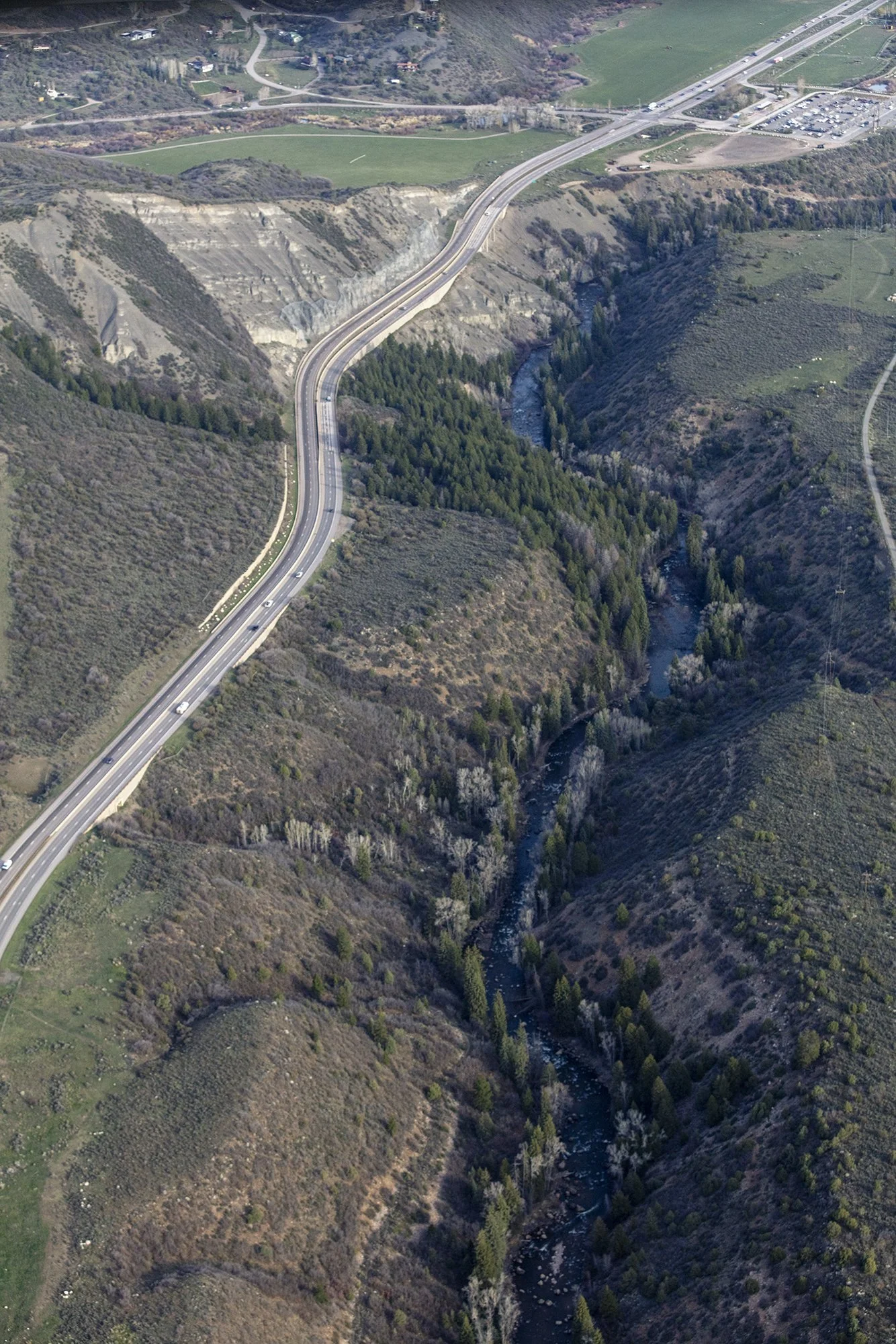
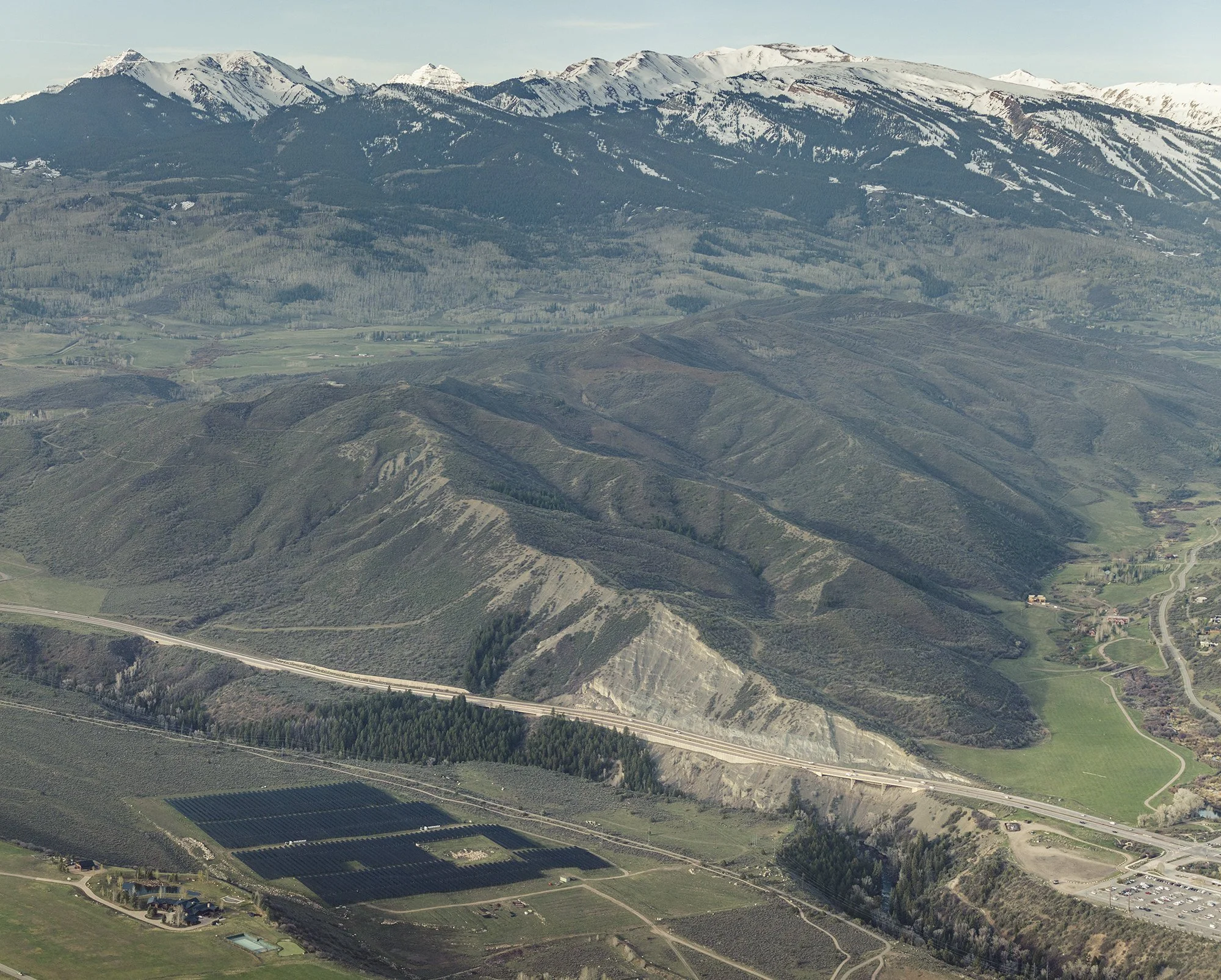
First thing Monday morning, Roaring Fork Safe Passages took to the skies on an EcoFlight to get an aerial view of some of the region’s wildlife corridors.
The nonprofit received $200,000, approved by Pitkin County commissioners earlier this month, to fund a wildlife-crossing feasibility study on two of their five proposed projects. The county’s money will match $200,000 already raised by the nonprofit, bringing the total to $400,000.
Pitkin County agrees to contribute $200,000 to Roaring Fork Safe Passages study
The Board of Pitkin County Commissioners voted on Wednesday to approve up to $200,000 in match funding for a Roaring Fork Safe Passages study to begin this fall.
The feasibility study will determine open engineering questions like what wildlife crossing structures are needed, what the cost breakdowns are, what the permitting requirements are and what construction timelines would look like, according to Roaring Fork Safe Passages Director Cecily DeAngelo.
A bill to fund Colorado wildlife crossings clears first hurdles
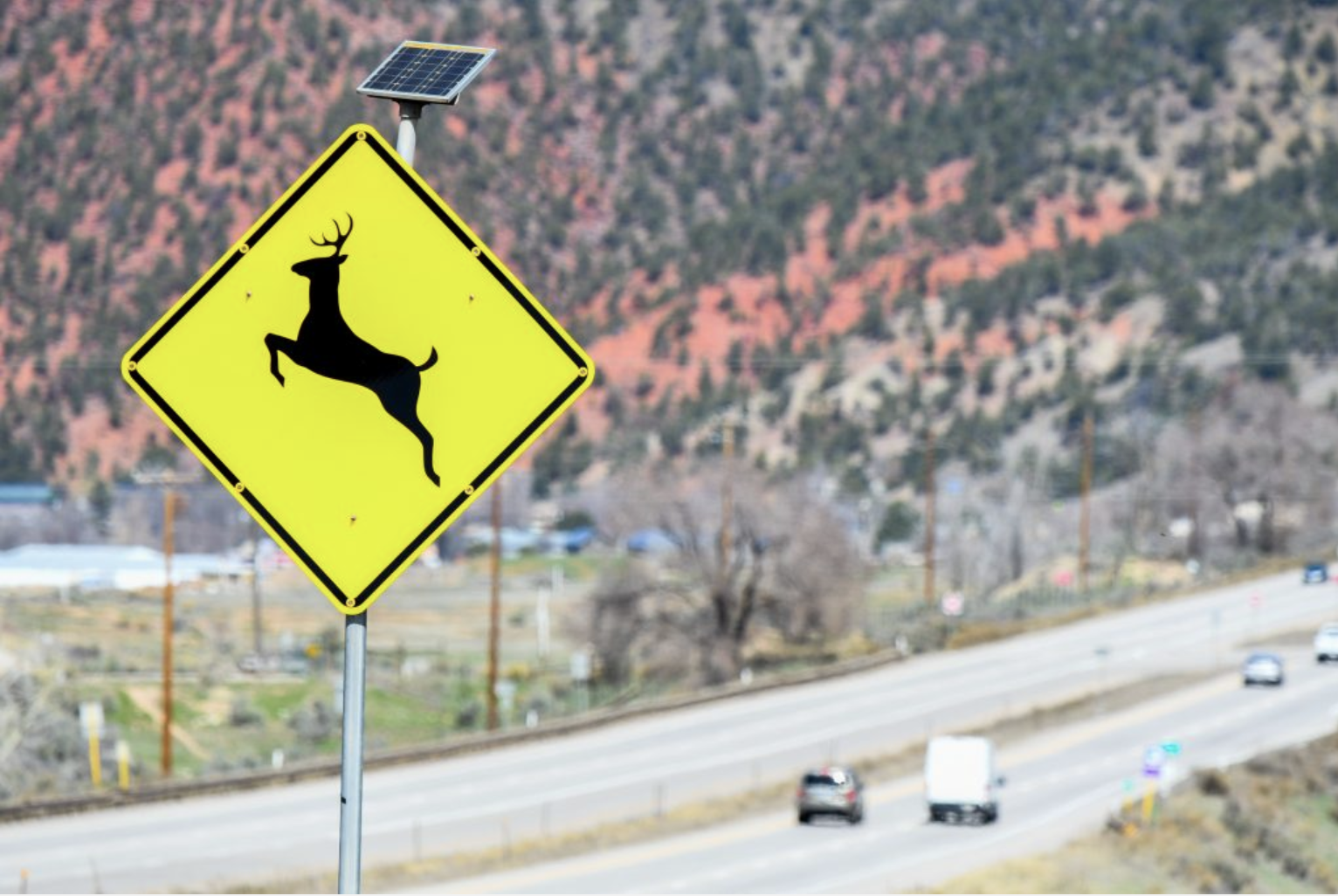
A bill that would see Colorado drivers help fund wildlife crossing infrastructure has passed through its initial committee hearings. It passed with minor changes to help county clerks through the burdens of implementation and encourage in-state contractors to be tapped for construction.
Senate Bill 141 would add an optional $5 fee to Coloradans’ annual vehicle registration. The money would go into a Collision Reduction Fund, overseen by the Colorado Department of Transportation and Colorado Parks and Wildlife, to fund wildlife crossing infrastructure such as overpasses, underpasses, and wildlife fencing in high-risk areas.
What We Don’t See
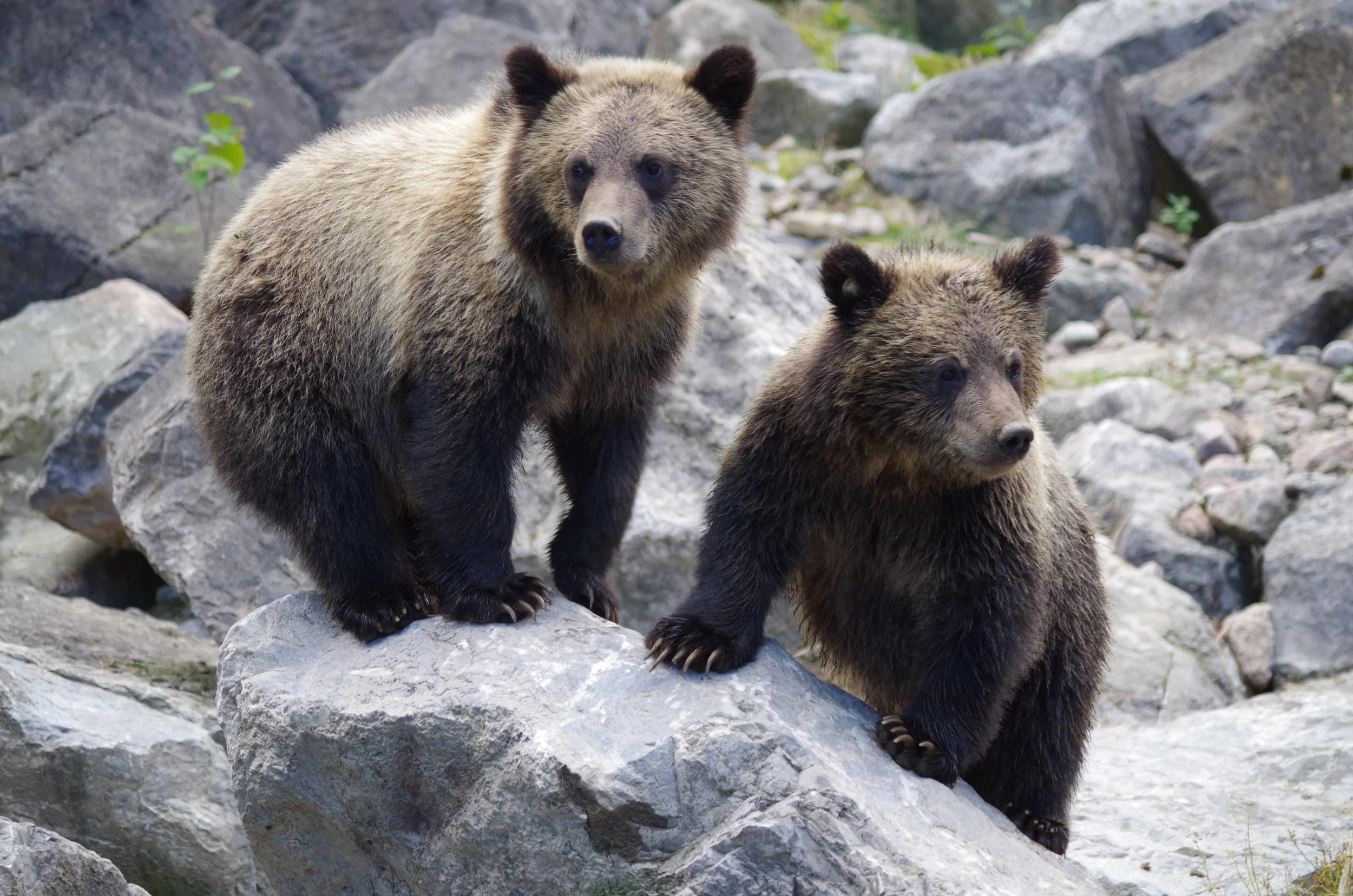
I see the cubs who get hit, wandering up and down the highway after their mother was hit in front of them, confused and don’t know where to go. I can go on and on about what we see but you and the rest of the public likely don’t, but I won't. I’m not trying to traumatize anyone; I’m trying to help the rest of the public understand that what they see is a fraction of what is going on. I guarantee you I’m more aware of how brutal nature can be than anyone on this board, but that doesn't mean we shouldn't take action to limit these incidents when human interaction is the cause of suffering.
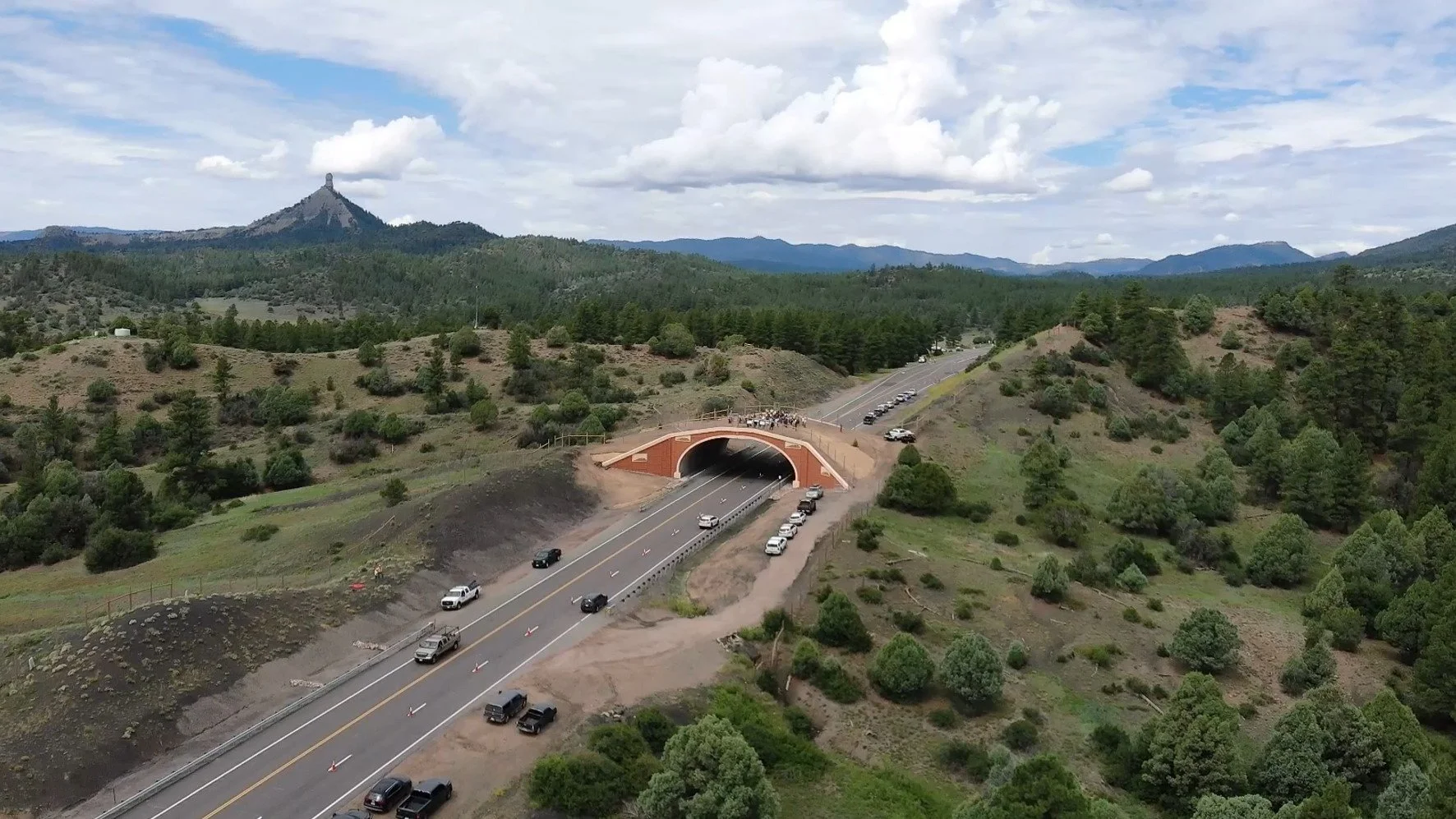
Wilz: Build the crossings
I support Roaring Fork Safe Passages and encourage our local and state leadership, agencies and private donors to help move this from concept to construction.
This is a rare kind of project that is simultaneously humane, fiscally responsible and operationally smart.
If we care about safety, stewardship and the long-term integrity of this valley, I believe we should build the crossings.
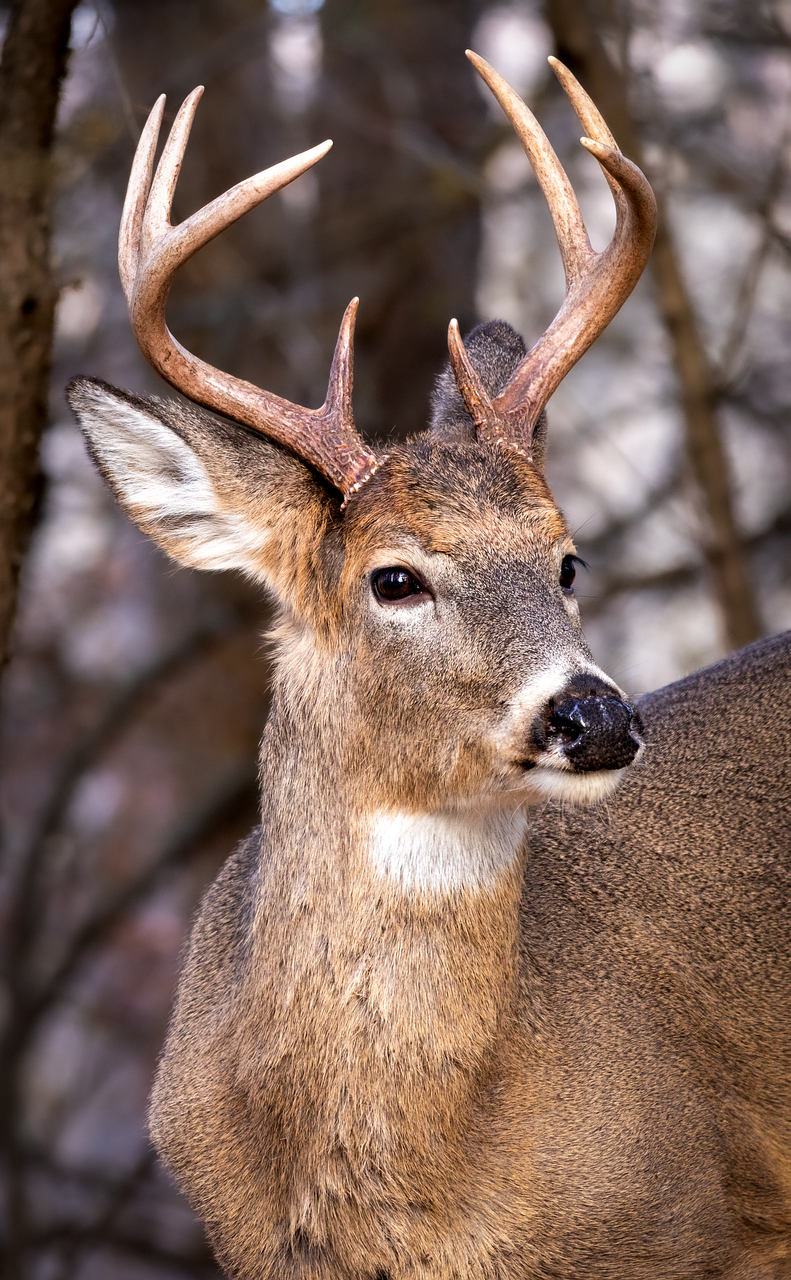
Lisman: Wildlife passages are needed
A huge, fantastic buck once jumped in front my car unexpectedly and died, not immediately. The car was a total loss and got injured. I was in pain and in physical therapy for months. There are so many other people that went through this.
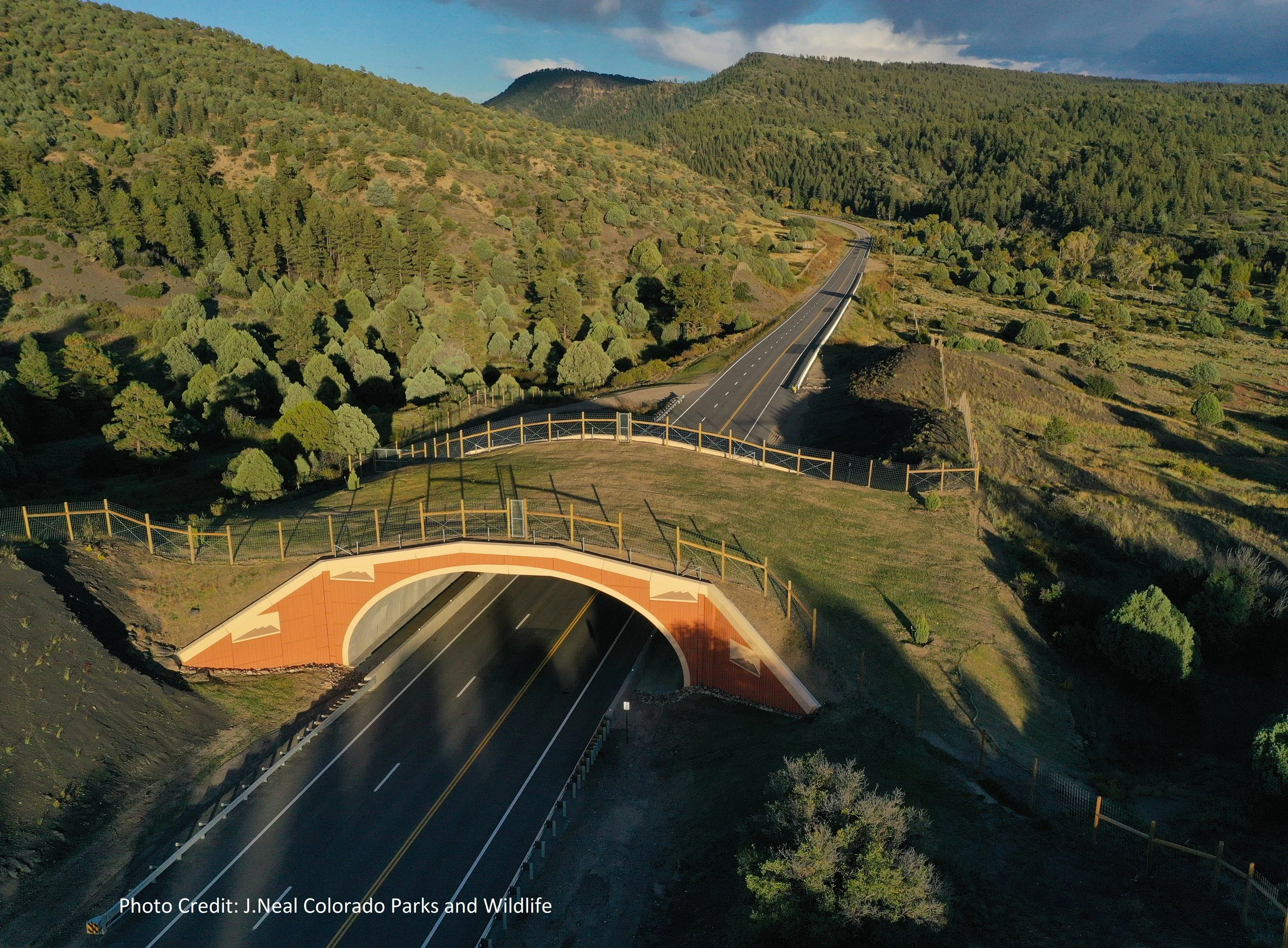
Bipartisan Bill to Prevent Motor Vehicle Collisions and Protect Colorado's Wildlife Introduced in Senate
Colorado lawmakers Senator Dylan Roberts (D, SD-8), Senate Minority Leader Cleave Simpson (R, SD-6), Speaker Julie McCluskie (D, HD-13), and Representative Rick Taggart (R, HD-55) today introduced the Wildlife Collision Prevention Act (SB26-141), a crucial measure to reduce wildlife-vehicle collisions across the state.
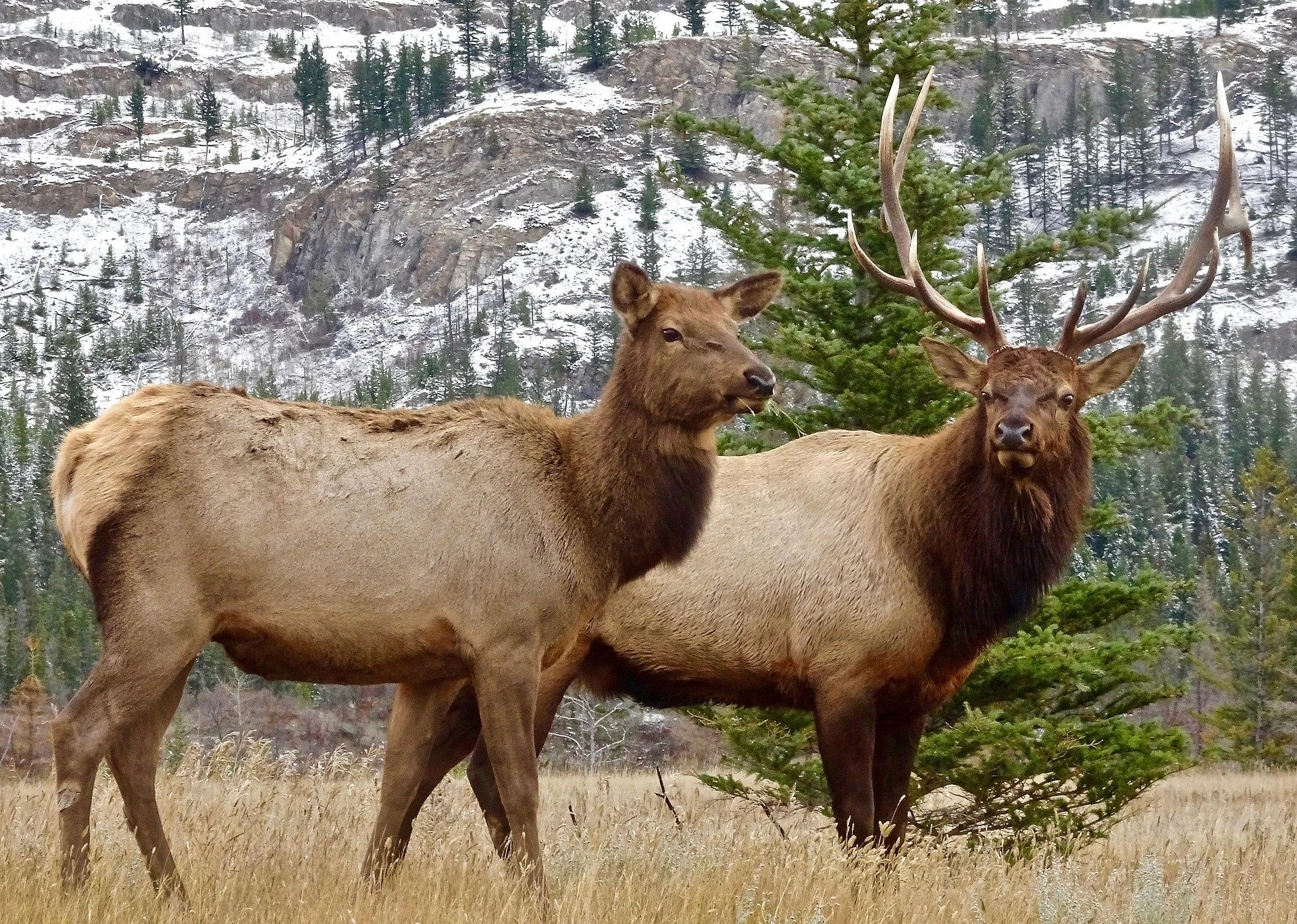
VandeBoom: ‘We must share it with our wildlife’
Wildlife and humans in Pitkin County do not live in a vacuum from one another. On the contrary, we are a multi-species community, a political theory developed by Sue Donaldson and Will Kymlicka, largely discussed in their work “Zoopolis: A Political Theory of Animal Rights.” Ignoring or denying that reality serves neither humans nor non-human animals that reside in this county.
The wildlife here is sentient, just like we humans are. While their inner lives, herd lives, communication methods and relationships look and are different from ours, it doesn’t negate their biological sentience. Nor does that difference exclude them from being members of our community, with whom we share this land.
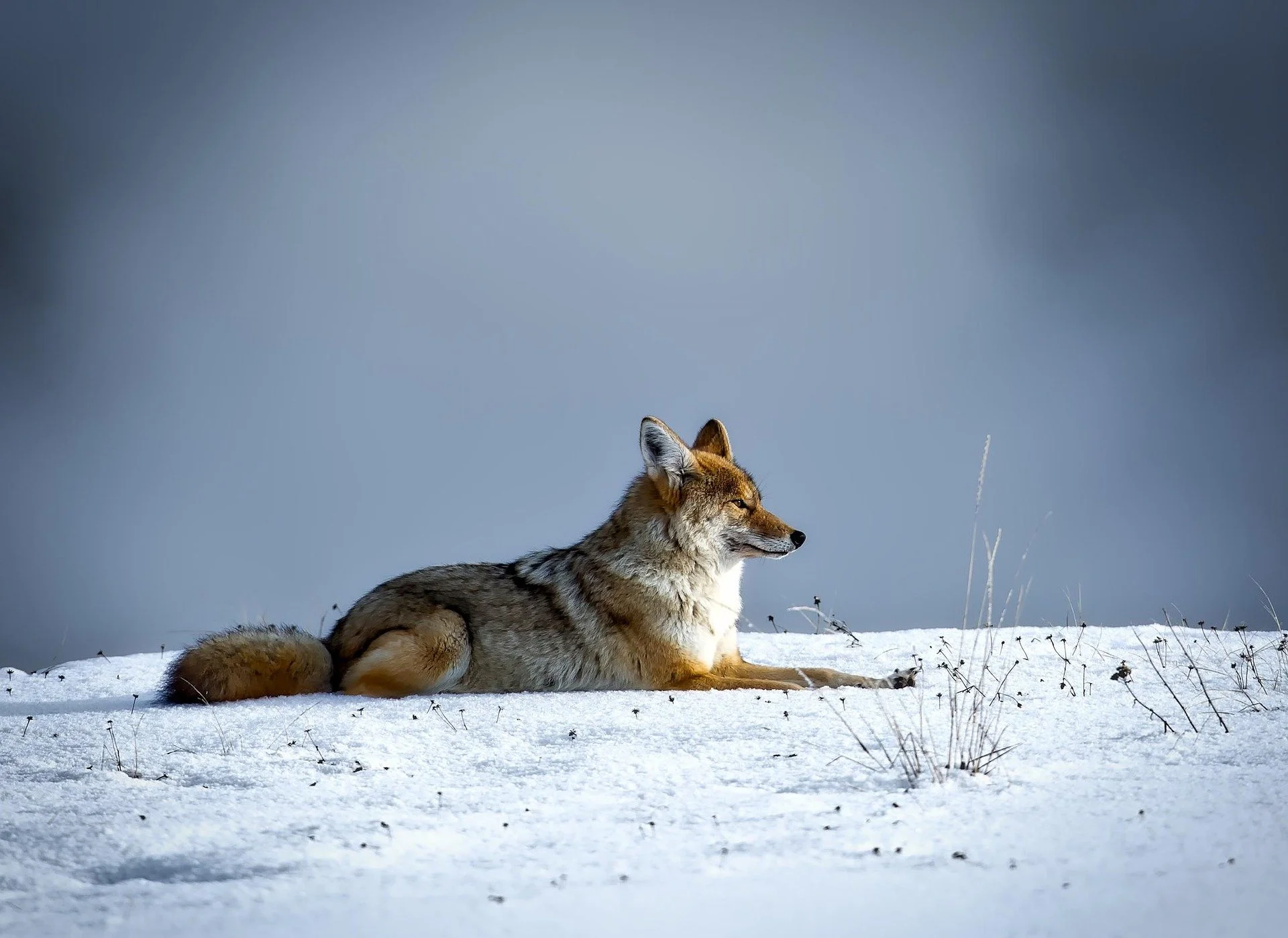
Pitkin County expenditure to aid wildlife a no-brainer
Some Pitkin County commissioners support these efforts, but a few others seem to be dragging their feet and quibbling over a couple hundred thousand dollars to support an engineering feasibility study. In a county with a multibillion-dollar economy whose attractions largely depend on wildlife and open space, investing a relatively small sum to back this initiative seems like a no-brainer. To put this in perspective, the Pitkin County budget for 2026 is north of $300 million.