Mission & About
Our Foundation
Roaring Fork Safe Passages is a citizen-led coalition dedicated to developing and implementing a comprehensive, valley-wide plan to mitigate wildlife-vehicle collisions. While government funding sources exist, accessing these resources and driving meaningful change requires sustained community engagement and a dedicated local organization capable of coordinating stakeholders, advocating for wildlife, and translating scientific findings into on-the-ground solutions.
Roaring Fork Safe Passages was founded on the scientific groundwork established by Watershed Biodiversity Initiative (WBI), whose pioneering valley-wide study of the million-acre Roaring Fork Watershed created a science-based roadmap for protecting and restoring natural biodiversity and habitat connectivity across the entire landscape. This comprehensive research was the catalyst for our organization, pinpointing the critical bottlenecks between areas of high-value habitat—the precise locations where wildlife crossing infrastructure can have the greatest impact.
Our Mission
Roaring Fork Safe Passages works to protect wildlife and people by creating safe crossing infrastructure across the Roaring Fork Valley. Through heart-centered and science-based advocacy, community engagement, and strategic partnerships, we're reconnecting fragmented habitats and reducing wildlife-vehicle collisions to preserve the ecological integrity of our watershed for generations to come.
Why This Matters
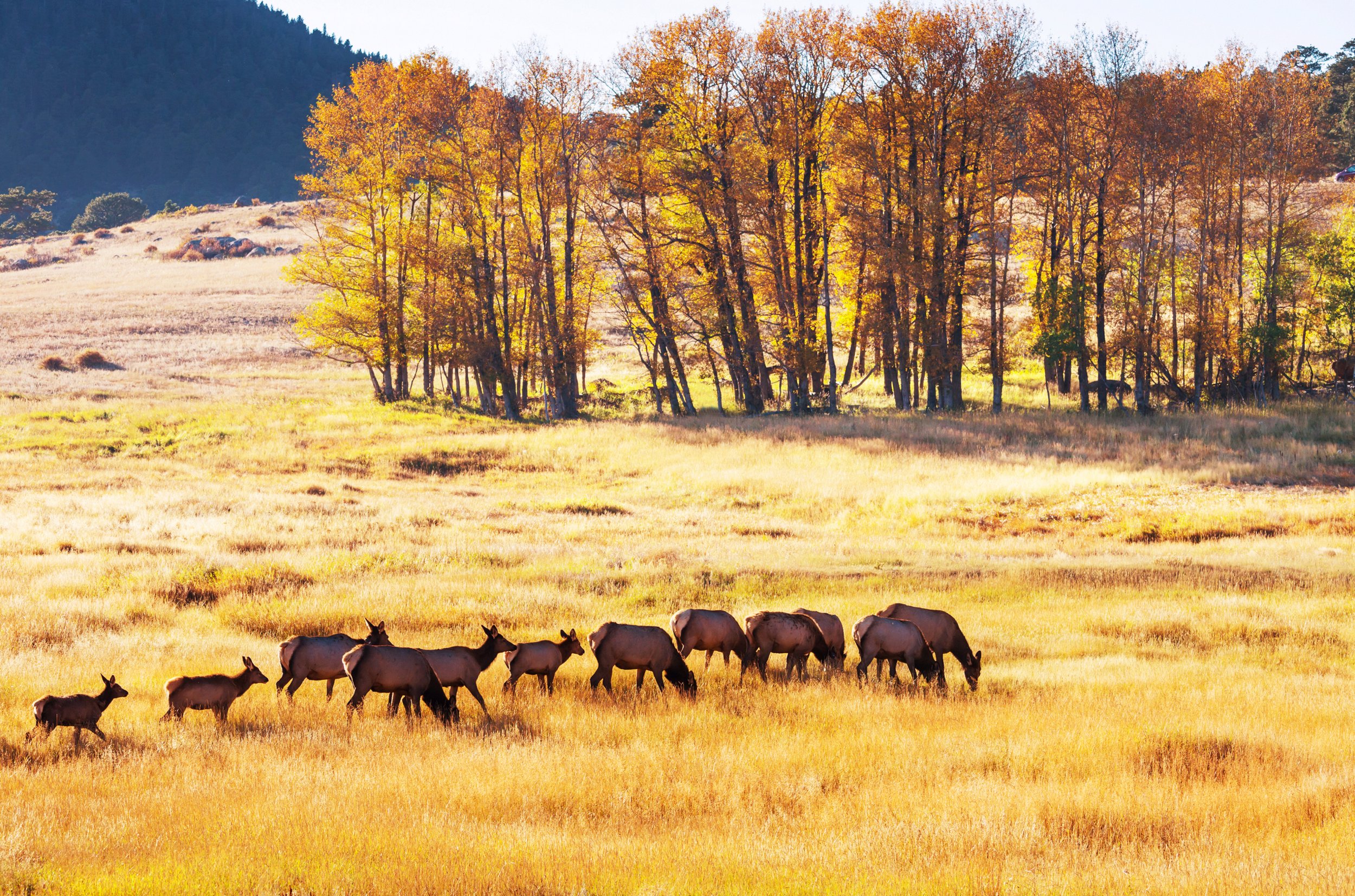
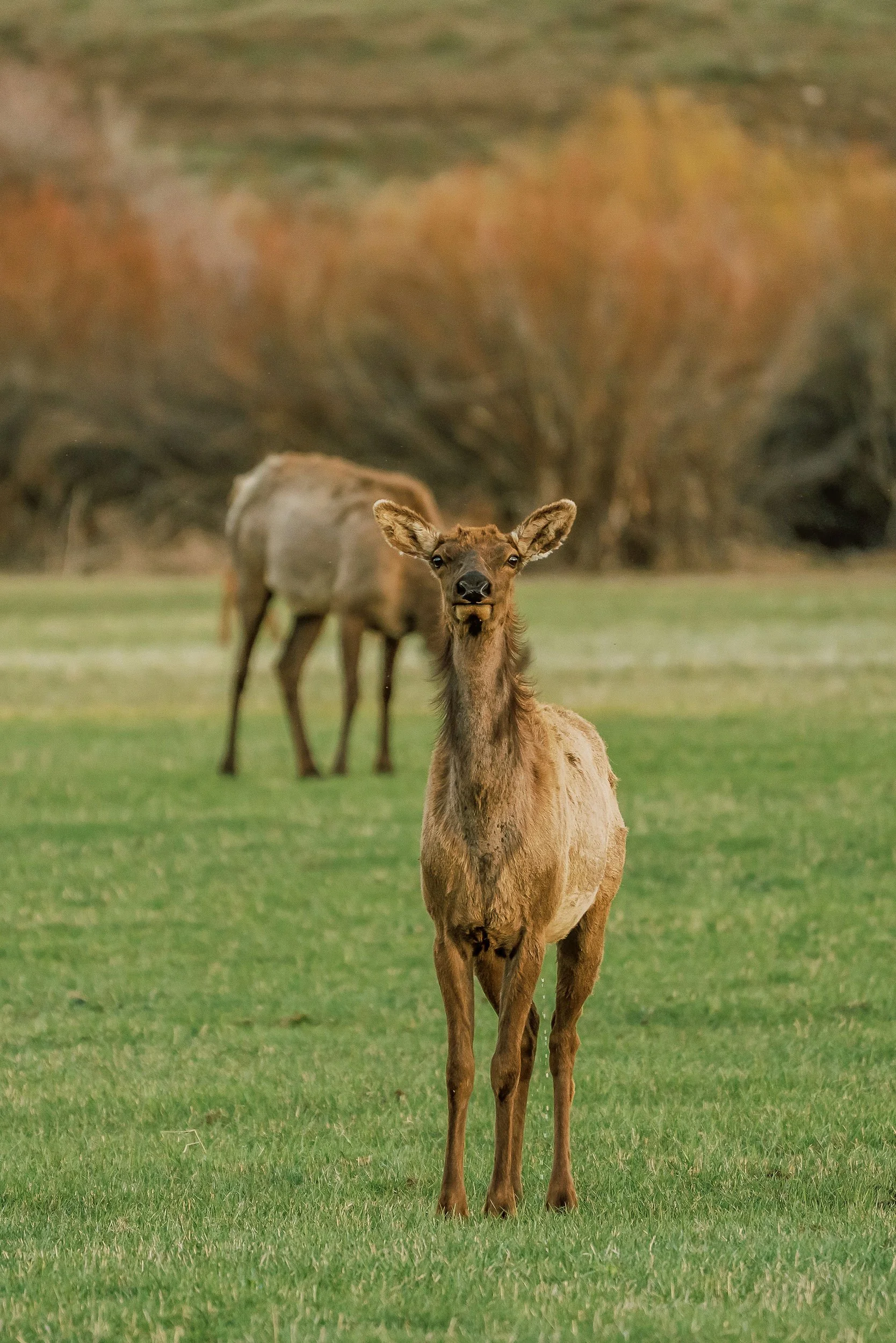
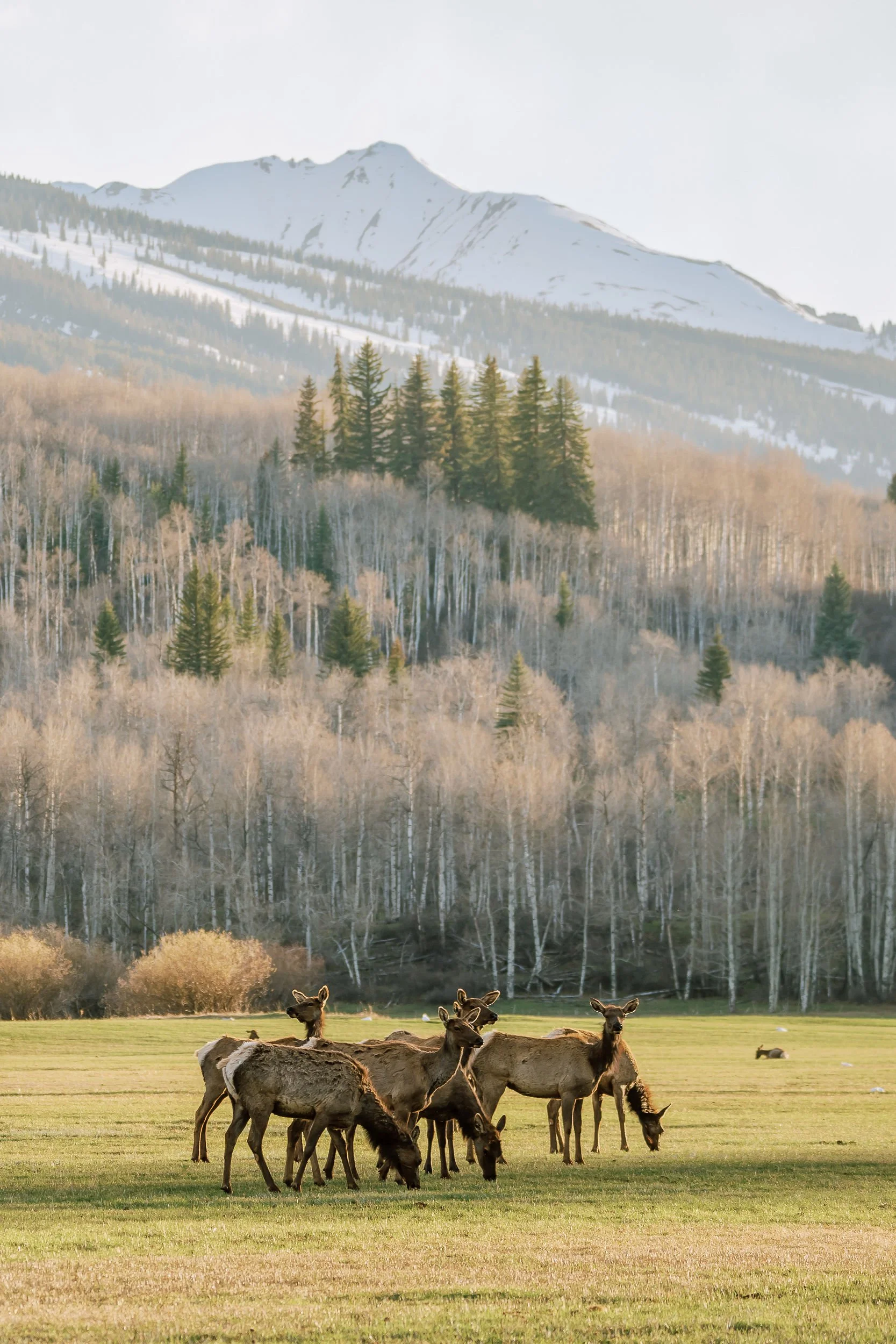
We live in something rare and precious. Globally, wild places are vanishing, yet here nature still holds its ground. The Roaring Fork Valley is home to extraordinary biodiversity. Elk, mule deer, black bears, mountain lions, and countless other species have migrated through this landscape for millennia, following ancient pathways between seasonal habitats. But as development has expanded, these essential corridors have become increasingly fragmented.
Today, wildlife-vehicle collisions are the leading cause of crashes reported to law enforcement in the Roaring Fork watershed. Every collision represents a danger to human safety, a tragedy for wildlife, and a fracture in the ecological connections that sustain healthy populations. Highways 82 and 133 threaten to permanently separate wildlife populations from the seasonal ranges, breeding grounds, and resources they need to survive.
We face a critical window of opportunity. If we don't act now to protect and restore connectivity, we risk creating permanently segregated populations unable to access vital habitat.
The connection between our community and the natural world shapes our cultural identity, our sense of place, and our quality of life in ways both tangible and profound.
When we invest in wildlife crossings, we're investing in:
Public Safety: Reducing dangerous collisions that threaten lives and cost our community hundreds of thousands of dollars annually
Ecological Health: Maintaining genetic diversity and population viability for species that need large, connected landscapes
Economic Vitality: Protecting the wildlife viewing, outdoor recreation, and natural beauty that draw visitors and sustain our economy
Community Character: Preserving the wild landscapes and abundant wildlife that define the Roaring Fork Valley
Human Wellbeing: Honoring the deep connection between thriving natural systems and thriving human communities—because when nature flourishes, we flourish alongside it
Our Approach
Roaring Fork Safe Passages takes a comprehensive approach to wildlife protection:
Strategic Planning: Working with leading wildlife ecologists, we've completed a prioritization study identifying six critical areas along Highways 82 and 133 where wildlife crossing infrastructure would have the greatest impact. These locations were selected based on collision rates, traffic patterns, habitat quality, and natural migration routes.
Community Advocacy: Real change requires community support. We're building a coalition of residents, elected officials, businesses, and visitors who understand that protecting wildlife is protecting our valley's character, safety, and economic vitality.
Collaborative Partnership: We work alongside state and federal agencies, local governments, and fellow conservation organizations to access funding opportunities and align efforts across the watershed. Our partnerships ensure that wildlife crossings are integrated into broader transportation and land use planning.
Science-Based Solutions: From wildlife overpasses and underpasses to escape ramps and directional fencing, we advocate for proven infrastructure solutions adapted to our valley's specific needs and species.